Editorial Team · on 14 June 2026 · 8 min read · Last reviewed 14 June 2026
Upcycling is the creative process of transforming old, unused, or unwanted clothing into new, high-quality garments or accessories, reducing textile waste and promoting sustainable fashion.
Key facts
- Upcycling can reduce textile waste by repurposing approximately 150,000 tons of fabric annually.
- The global upcycling market is projected to reach $76.8 billion by 2027.
- Upcycling a single t-shirt can save up to 2,700 liters of water compared to producing a new one.
- Popular upcycling techniques include patchwork, dyeing, embroidery, and fabric painting.
What are the benefits of upcycling clothes?
Upcycling clothes offers numerous environmental and personal benefits. Firstly, it significantly reduces textile waste, as the fashion industry generates about 92 million tons of waste annually, with only 1% of clothing material being recycled into new clothing. By upcycling, you contribute to reducing this waste and conserving resources. Additionally, upcycling saves energy and water, as producing new textiles requires substantial resources. For instance, producing one kilogram of cotton requires around 10,000 liters of water, while upcycling uses virtually no additional water.
Upcycling also promotes sustainable fashion by encouraging a circular economy, where old garments are given new life instead of being discarded. This helps to minimize the environmental impact of the fashion industry, which is responsible for about 10% of global carbon emissions. Furthermore, upcycling allows you to express your creativity and personal style, resulting in unique, one-of-a-kind pieces that reflect your individuality. It also saves you money, as upcycling old clothes is often more affordable than buying new ones.
What materials and tools are needed for upcycling clothes?
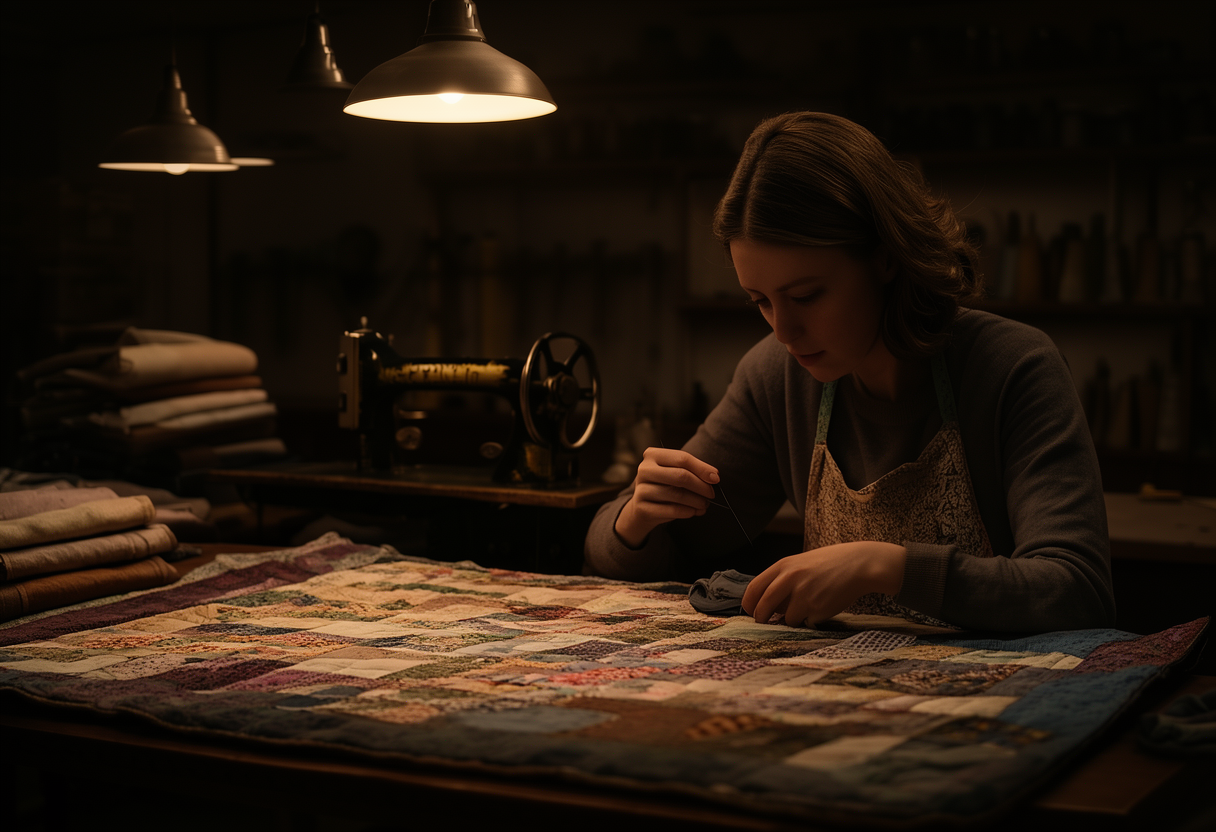
To start upcycling clothes, you’ll need a few essential materials and tools. The most basic requirement is old or unwanted clothing that you wish to transform. You may also need fabric scissors, a sewing machine or needle and thread, pins, and measuring tape. Additionally, you might want to invest in other tools like fabric glue, iron, and various decorating supplies such as buttons, ribbons, or fabric paint. These tools will enable you to cut, sew, and decorate your clothing effectively.
When selecting materials for your upcycling projects, consider the fabric type and quality of the garments you’re working with. Natural fabrics like cotton, linen, and wool are generally easier to work with and more sustainable than synthetic materials. Additionally, choosing eco-friendly decorating supplies, such as non-toxic fabric dyes and glues, can further enhance the sustainability of your upcycling projects. You can find many of these materials and tools at local craft stores, online retailers, or even in your own home.
What are some easy upcycling ideas for beginners?
Think of upcycling clothes like giving your old outfits a makeover with a twist. Instead of tossing them out, you’re turning them into something fresh and exciting, much like how a chef transforms leftovers into a gourmet meal.
If you’re new to upcycling, there are plenty of simple and beginner-friendly projects to try. One popular idea is transforming old t-shirts into trendy tote bags. This involves cutting off the sleeves and neckline, sewing the bottom hem, and adding sturdy handles. Another easy project is creating patchwork denim jackets by cutting out patches from old jeans or other denim pieces and attaching them to the jacket using fabric glue or a sewing machine. You can also turn old sweaters into cozy scarves, headbands, or even pet sweaters by cutting and sewing them to the desired size and shape.
For those interested in adding some color to their wardrobe, tie-dyeing old white t-shirts or socks is an excellent upcycling idea. This process involves soaking the fabric in dye, creating unique patterns and designs. Additionally, you can upcycle old jeans by turning them into shorts, skirts, or even a denim purse. To do this, you’ll need to cut and hem the jeans to your desired length or shape, then add any decorative elements like buttons or embroidery. These beginner-friendly projects are a great way to start your upcycling journey and develop your creative skills.
How can you upcycle clothes with advanced techniques?
Once you’ve mastered the basics of upcycling, you can explore more advanced techniques to create unique and intricate designs. One such technique is fabric manipulation, which involves pleating, gathering, or folding fabric to create texture and dimension. This can be used to transform plain t-shirts into elegant blouses or simple skirts into stylish statement pieces. Another advanced technique is embroidery, which allows you to add beautiful, hand-stitched designs to your upcycled garments. Embroidery can be used to create intricate patterns, floral motifs, or even personalized messages.
Appliqué is another advanced upcycling technique that involves cutting out shapes or designs from fabric and attaching them to a garment using a sewing machine or fabric glue. This can be used to create striking visual effects, such as turning an old denim jacket into a work of art with various fabric cutouts. Additionally, you can experiment with fabric painting, using acrylic paints or fabric markers to create custom designs on your upcycled clothing. This technique allows for endless creativity and personalization, as you can paint anything from abstract patterns to realistic images.
What are some upcycling ideas for specific types of clothing?
Different types of clothing offer unique upcycling opportunities, allowing you to transform specific items into something new and exciting. For example, old jeans can be turned into various accessories like tote bags, skirts, or even a denim jacket. To create a denim tote bag, cut off the legs of the jeans, sew the bottom hem, and add sturdy handles using fabric scraps or belts. Similarly, you can transform old t-shirts into trendy tank tops, crop tops, or even a stylish headband by cutting and hemmed the fabric to your desired size and shape.
Sweaters can also be upcycled in numerous ways, such as turning them into cozy scarves, headbands, or even pet sweaters. To create a sweater scarf, cut the sleeves and neckline off the sweater, then seam the ends together to form a long, rectangular shape. You can also upcycle old dresses by turning them into skirts, tops, or even a unique handbag. To transform a dress into a skirt, simply cut the bodice off at the waistline and hem the raw edge. Additionally, you can upcycle old socks by turning them into mittens, leg warmers, or even a cozy blanket by cutting and sewing them together.
How can you sell upcycled clothes?
If you’re looking to turn your upcycling hobby into a profitable venture, there are several ways to sell your creations. Online marketplaces like Etsy, eBay, or Depop are popular platforms for selling handmade and upcycled items. To maximize your sales, create high-quality product photos and detailed descriptions that highlight the unique features of your upcycled garments. Additionally, consider offering customization options to cater to individual customer preferences.
Local craft fairs, markets, and pop-up shops are also excellent venues for selling upcycled clothes. These events provide an opportunity to connect with customers in person, showcase your creations, and build a loyal following. To make the most of these events, create eye-catching displays that showcase your upcycled garments and offer promotional materials like business cards or flyers. Additionally, consider partnering with local boutiques or consignment stores to sell your upcycled items on a consignment basis.
To build a successful upcycling business, it’s essential to develop a strong brand identity that reflects your unique style and values. Create a logo, tagline, and branding materials that convey your brand’s message and resonate with your target audience. Additionally, leverage social media platforms like Instagram, Facebook, and Pinterest to showcase your creations, engage with customers, and promote your upcycling business. By building a strong online presence and offering high-quality, unique upcycled garments, you can establish a successful and sustainable upcycling business.
What are some resources for learning more about upcycling clothes?
If you’re eager to learn more about upcycling clothes, there are numerous resources available to help you develop your skills and creativity. Online tutorials, workshops, and courses are excellent ways to learn new techniques and gain inspiration for your upcycling projects. Websites like YouTube, Skillshare, and Udemy offer a wealth of upcycling tutorials and courses taught by experienced instructors. Additionally, books and magazines dedicated to upcycling and sustainable fashion can provide valuable insights and inspiration.
Joining upcycling communities and forums is another great way to connect with like-minded individuals, share ideas, and learn from others’ experiences. Online communities like Reddit’s r/upcycling, Facebook groups, and specialized forums offer a platform for upcycling enthusiasts to share their projects, ask questions, and offer support. Attending local upcycling workshops, events, and meetups can also provide an opportunity to learn from experts, network with other upcyclers, and gain hands-on experience.
To further expand your knowledge of upcycling, consider exploring related topics like zero waste fashion, sustainable living, and ethical fashion. Websites and blogs dedicated to these subjects often feature articles, interviews, and resources that can deepen your understanding of upcycling and its role in promoting a more sustainable future. By continuously learning and staying inspired, you can develop your upcycling skills and make a meaningful contribution to reducing textile waste and promoting sustainable fashion.
Ready to start your upcycling journey? Grab an old piece of clothing and a pair of scissors, and let your creativity flow. With the right tools, techniques, and inspiration, you can transform your wardrobe sustainably and make a positive impact on the environment.
Frequently asked questions
What is clothes upcycling and why should I care?
Clothes upcycling involves creatively transforming old or unused garments into new, unique pieces. It reduces textile waste, which is significant—about 85% of clothing ends up in landfills. By upcycling, you save money and contribute to environmental sustainability. Simple projects like turning a large shirt into a tote bag or a pair of jeans into shorts are easy starting points.
What materials or tools do I need to start upcycling clothes?
Basic tools include scissors, a sewing machine or needle and thread, fabric glue, and measuring tape. For materials, use old clothes, buttons, patches, or fabric scraps. No-sew projects can use fabric glue or iron-on hems. Start small—repairing a button or adding patches to jeans requires minimal tools and effort.
What are some beginner-friendly upcycling projects?
Simple projects include turning an old t-shirt into a tote bag, cutting jeans into shorts or skirts, or creating patchwork from fabric scraps. You can also transform oversized sweaters into smaller tops or add lace trim to plain dresses. These projects require basic sewing skills or even no sewing at all, making them perfect for beginners.
How can I ensure my upcycled clothes are durable and long-lasting?
Use high-quality materials and strong stitches. Reinforce seams with extra stitching or fabric glue. Choose durable fabrics like denim or canvas for projects that need to withstand regular wear. Proper care—washing inside out and air-drying—extends the life of upcycled garments. Small repairs can also keep items in use longer.