
Editorial Team · on 14 June 2026 · 11 min read · Last reviewed 14 June 2026
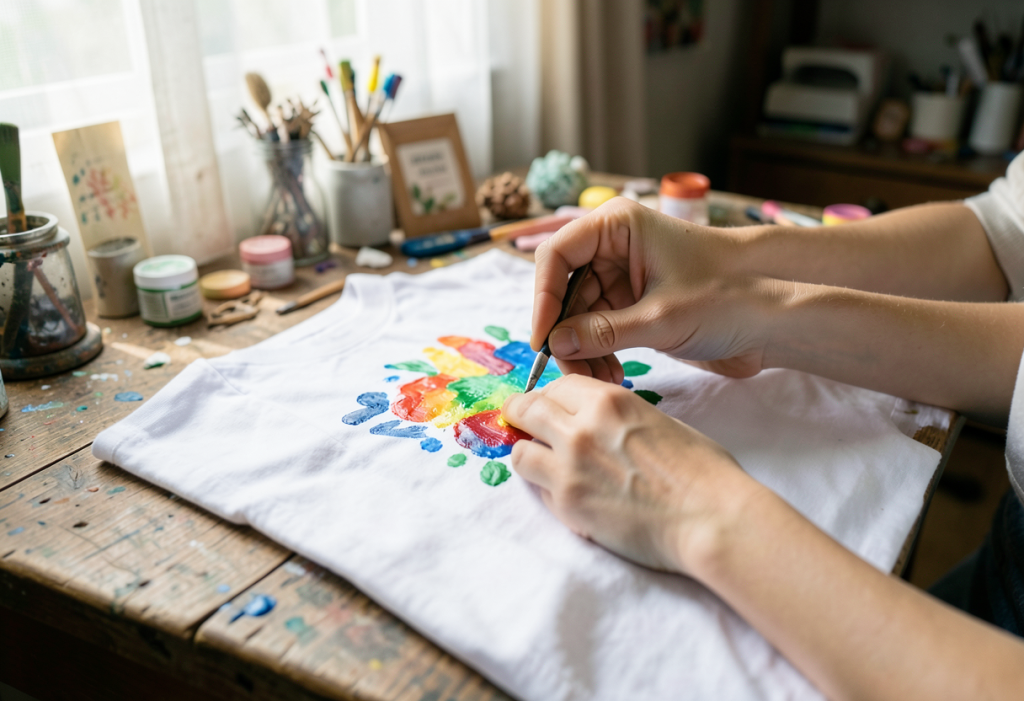
Upcycling is the process of transforming old, unused, or unwanted items, such as shirts, into new, useful, and often more environmentally friendly products.
Key facts
- Upcycling reduces textile waste, with the EPA reporting that Americans generate around 17 million tons of textile waste annually.
- Transforming a plain shirt into a personalized piece can take as little as 30 minutes to several hours, depending on the project’s complexity.
- Common upcycling techniques include cutting, sewing, dyeing, and painting.
- Upcycled shirts can serve various purposes, from fashionable clothing to household items like tote bags or cleaning rags.
What materials do I need to upcycle a shirt?
To start upcycling a shirt, gather essential materials such as fabric scissors, needles, thread, a sewing machine (optional), fabric glue, pins, and markers or chalk for designing. Additionally, consider having a variety of decorative elements like buttons, patches, ribbons, or fabric paint on hand to personalize your shirt. If you plan to dye the shirt, you’ll need fabric dye and a large bucket or container for soaking. For no-sew projects, fabric glue or iron-on hem tape can be useful alternatives to sewing.
Safety equipment is also important. Wear gloves when handling scissors or needles, and use a thimble to protect your fingers while sewing. If working with fabric glue or dye, ensure you have a well-ventilated workspace and wear old clothing or an apron to protect yourself from stains. Having a clean, flat work surface, such as a table or ironing board, will make the upcycling process more manageable.
What are some simple upcycling techniques for shirts?
One of the simplest upcycling techniques is cutting and tying. This method involves cutting the shirt into strips and tying them together to create a unique, knotted design. This technique is often used to transform plain t-shirts into stylish, beach-ready tops. Another easy technique is creating a no-sew tote bag. Cut off the sleeves and neckline, then sew or glue the bottom of the shirt to create a sturdy handle. This project is perfect for turning old t-shirts into eco-friendly shopping bags.
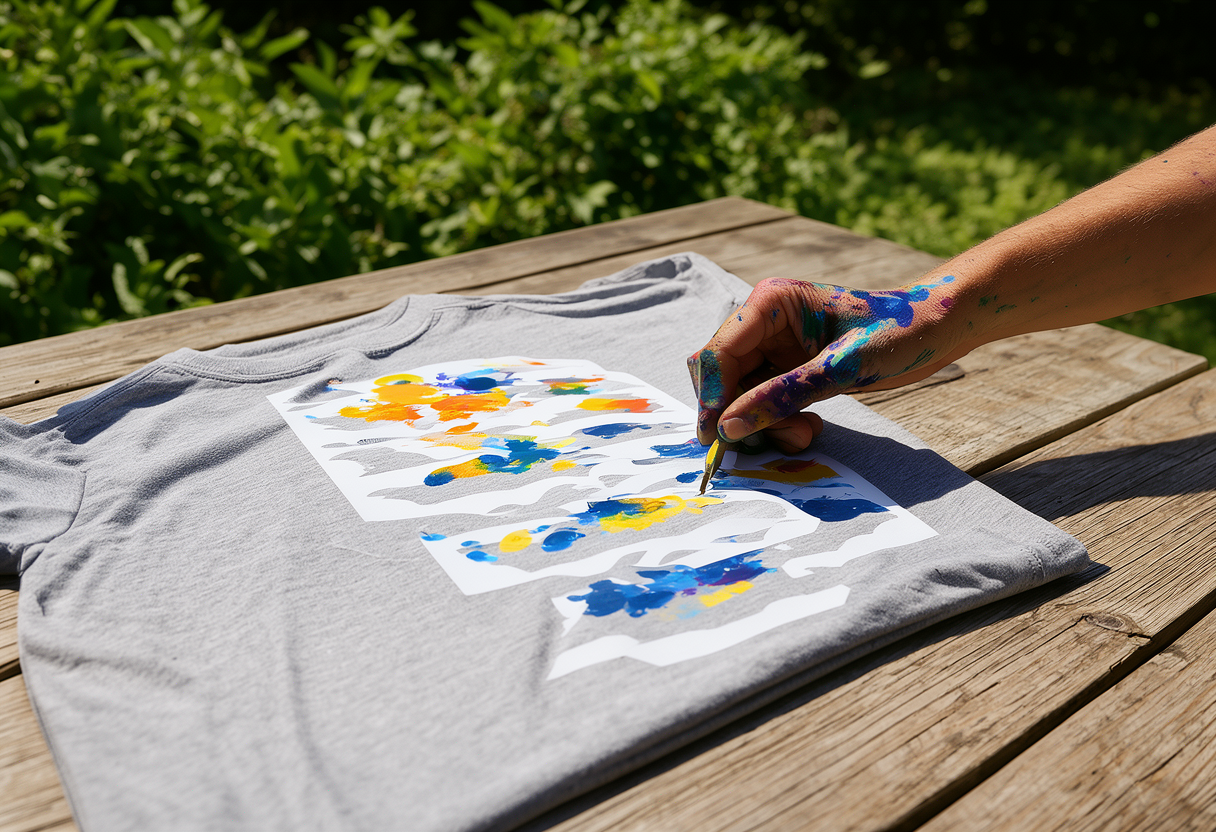
For those with basic sewing skills, turning a shirt into a tank top or crop top is a popular upcycling project. Cut the shirt to your desired length and hem the edges to prevent fraying. You can also add embellishments like lace trim or ribbons to enhance the design. Fabric painting is another creative technique that allows you to personalize your shirt with unique designs or patterns. Use fabric paint and stencils to create intricate artwork or write inspiring quotes on the shirt.
How can I dye my upcycled shirt for a unique look?
Dyeing your upcycled shirt is an excellent way to give it a fresh, new look. Before dyeing, prepare the shirt by washing it to remove any finishes that might interfere with the dyeing process. Choose a fabric dye suitable for the shirt’s material, such as fiber-reactive dye for cotton or synthetic dye for polyester. Follow the dye manufacturer’s instructions for mixing and applying the dye. Typically, you’ll need to dissolve the dye in hot water, then add the shirt and stir it gently to ensure even coverage.
For a unique, tie-dye effect, twist and tie sections of the shirt with rubber bands before applying the dye. This technique creates beautiful patterns and designs. After dyeing, rinse the shirt in cold water until the water runs clear, then wash it in mild detergent to set the dye. Allow the shirt to air dry completely before wearing or further upcycling. Experiment with different dye colors and techniques to achieve a truly one-of-a-kind look.
What are some creative ways to personalize my upcycled shirt?
Personalizing your upcycled shirt allows you to express your individual style and creativity. One popular method is adding patches or appliqués. Choose patches that reflect your interests or hobbies, such as band logos, vintage designs, or nature motifs. Sew or glue the patches onto the shirt to create a unique, customized look. Another way to personalize your shirt is by adding embroidery. Use embroidery thread and needles to stitch designs, initials, or quotes onto the shirt. This technique adds a touch of elegance and sophistication to your upcycled creation.
Fabric markers or paint pens are also excellent tools for personalizing your shirt. Draw designs, write words, or create abstract patterns using these markers. For a more intricate design, use stencils to guide your artwork. Additionally, consider adding buttons, beads, or sequins to enhance the shirt’s appearance. These embellishments can be sewn or glued onto the shirt to create a striking, eye-catching effect. Don’t be afraid to mix and match different techniques to create a truly unique, personalized shirt.
How can I ensure my upcycled shirt is durable and long-lasting?
To create a durable upcycled shirt, use high-quality materials and techniques that will withstand regular wear and washing. When sewing, choose strong, durable thread and reinforce seams with additional stitching. For no-sew projects, use fabric glue designed for heavy-duty applications and allow it to dry thoroughly before wearing the shirt. When dyeing, follow the manufacturer’s instructions for setting the dye to ensure it remains vibrant and fade-resistant.
Proper care and maintenance are essential for extending the life of your upcycled shirt. Wash the shirt inside out in cold water to preserve its color and design. Avoid using harsh detergents or bleach, as these can damage the fabric and cause fading. Air dry the shirt whenever possible to prevent shrinkage and maintain its shape. Store the shirt in a cool, dry place away from direct sunlight to prevent discoloration and damage. By following these care tips, you can enjoy your upcycled shirt for years to come.
Think of upcycling a shirt like giving it a new lease on life. Just as you might refurbish an old piece of furniture to make it look and function like new, upcycling a shirt involves transforming it into something fresh, unique, and useful. By applying creativity and basic techniques, you can breathe new life into an old shirt, turning it into a personalized piece that reflects your style and reduces textile waste.
What are some eco-friendly benefits of upcycling shirts?
Upcycling shirts offers numerous environmental benefits. By repurposing old shirts, you reduce the amount of textile waste that ends up in landfills. The EPA estimates that textile waste accounts for about 5% of all landfill waste. Upcycling also conserves resources by extending the life of existing materials and reducing the need for new production. This process decreases the demand for raw materials, water, and energy required to manufacture new clothing.
Additionally, upcycling shirts helps reduce the environmental impact of the fashion industry. The fashion industry is a significant contributor to pollution, water consumption, and greenhouse gas emissions. By upcycling, you contribute to a more sustainable fashion ecosystem. Upcycling also promotes a culture of mindful consumption, encouraging people to value and care for their clothing rather than discarding it after minimal use. This shift in mindset can lead to a more sustainable and eco-friendly lifestyle.
What are some beginner-friendly upcycling projects for shirts?
If you’re new to upcycling, start with simple projects that require minimal materials and skills. One beginner-friendly project is creating a no-sew tote bag. Cut off the sleeves and neckline of an old t-shirt, then tie the bottom hem to form the bag’s base. This project is quick, easy, and perfect for beginners. Another simple project is transforming a shirt into a headband or scarf. Cut the shirt into strips, tie them together, and wear them as a stylish accessory.
For those interested in fabric painting, start with basic designs like stripes, polka dots, or simple patterns. Use fabric paint and stencils to create clean, professional-looking designs. As you gain confidence, experiment with more complex techniques and designs. Additionally, consider upcycling shirts into household items like cleaning rags or dishcloths. Cut the shirt into squares or rectangles and use them for cleaning tasks. These projects are practical, easy, and a great way to start your upcycling journey.
What are some advanced upcycling techniques for shirts?
Once you’ve mastered basic upcycling techniques, explore more advanced methods to create unique, high-quality designs. One advanced technique is quilting, which involves layering and stitching fabric pieces to create a padded, decorative effect. This technique can be used to transform a plain shirt into a stylish, textured piece. Another advanced method is appliqué, which involves sewing or gluing fabric pieces onto the shirt to create intricate designs. This technique requires precision and attention to detail but results in stunning, customized creations.
For those with sewing experience, consider creating upcycled shirts with intricate embroidery or beading. These techniques add a touch of elegance and sophistication to your designs. Additionally, explore techniques like smocking, pleating, or ruffling to create unique textures and effects. These advanced methods require practice and patience but allow you to create truly one-of-a-kind upcycled shirts. Don’t be afraid to experiment with different techniques and materials to push your creative boundaries.
How can I find inspiration for upcycling shirt projects?
Finding inspiration for upcycling shirt projects can be as simple as browsing online platforms like Pinterest, Instagram, or YouTube. These platforms are filled with creative ideas, tutorials, and step-by-step guides from upcycling enthusiasts and professionals. Search for specific projects or techniques to discover new ideas and learn from others’ experiences. Additionally, join online communities or forums dedicated to upcycling and DIY projects. These communities provide a wealth of knowledge and support, allowing you to connect with like-minded individuals and share your own creations.
Inspiration can also be found in nature, art, and everyday objects. Observe colors, patterns, and textures in your surroundings and incorporate them into your upcycling projects. Visit local craft fairs, markets, or exhibitions to see the work of other artists and crafters. Books and magazines focused on DIY projects, fashion, and sustainability can also provide valuable inspiration and guidance. Don’t be afraid to think outside the box and experiment with unconventional ideas to create truly unique upcycled shirts.
What are some tips for selling upcycled shirts?
If you’re interested in selling your upcycled shirts, start by creating high-quality, unique designs that appeal to your target audience. Focus on trends and styles that are popular in the market, and ensure your designs are well-crafted and durable. Take high-quality photographs of your upcycled shirts to showcase their details and craftsmanship. Use natural lighting and simple backgrounds to highlight the shirts’ features and make them stand out.
To sell your upcycled shirts, consider using online platforms like Etsy, eBay, or your own e-commerce website. These platforms allow you to reach a wide audience and showcase your creations to potential customers. Additionally, participate in local craft fairs, markets, or pop-up shops to sell your shirts in person and connect with customers. Create a strong brand identity for your upcycled shirt business, including a memorable name, logo, and packaging. This will help you stand out in the market and build a loyal customer base.
How can I involve my community in upcycling shirt projects?
Involving your community in upcycling shirt projects is a great way to promote sustainability, creativity, and collaboration. Organize workshops or classes focused on upcycling techniques, teaching participants how to transform old shirts into new, useful items. These workshops can be held at local community centers, schools, or libraries. Provide all necessary materials and guidance, and encourage participants to share their creations and ideas. Additionally, host upcycling challenges or competitions, encouraging community members to submit their upcycled shirt designs for a chance to win prizes or recognition.
Create a community upcycling station or collection point where residents can donate old shirts and other textile items. These donations can be used in upcycling projects or distributed to those in need. Partner with local businesses, schools, or organizations to promote upcycling initiatives and encourage community involvement. By working together, you can create a more sustainable, creative, and connected community. Share your upcycling projects and events on social media to inspire others and spread the word about the benefits of upcycling.
Start your upcycling journey by gathering old shirts and experimenting with simple techniques like cutting, tying, or fabric painting. As you gain confidence, explore more advanced methods and share your creations with others. By embracing upcycling, you’ll not only reduce textile waste but also unleash your creativity and contribute to a more sustainable future.
Frequently asked questions
What materials do I need to upcycle a plain shirt?
You'll need a plain shirt, fabric paint, stencils or freehand designs, fabric markers, scissors, and optional embellishments like beads or patches. Basic sewing skills and tools can also be useful if you plan to alter the shirt's structure. Ensure your workspace is clean and well-ventilated.
How do I prepare the shirt for upcycling?
Wash and dry the shirt to remove any finishes that might interfere with paint or glue. Iron it to eliminate wrinkles, creating a smooth surface. Lay it flat on a protected work surface. If using stencils, secure them with tape to prevent slipping during painting.
What are some simple design ideas for upcycling a shirt?
Try adding geometric patterns with fabric paint, or use stencils for precise shapes. Cut-out designs, like a tie-dye effect or fabric markers for hand-drawn artwork, work well. Appliqué with contrasting fabric or add patches for a unique look. Personalize with initials or quotes using fabric markers.
How do I ensure the design lasts after upcycling?
Follow paint and marker instructions for drying and curing times. Heat-set designs with an iron after they're completely dry. Wash the shirt inside-out in cold water to preserve the design. Avoid harsh detergents and high-heat drying, which can fade or crack the upcycled elements.