Editorial Team · on 14 June 2026 · 8 min read · Last reviewed 14 June 2026
Upcycling is the creative process of transforming discarded or unwanted materials, like old jeans, into new, higher-quality products.
Key facts
- Upcycling reduces textile waste, with the EPA estimating Americans generate 17 million tons of textile waste annually.
- Jeans can be upcycled into bags, skirts, jackets, and even insulation materials.
- Upcycling jeans requires basic sewing skills and tools like scissors, needles, and thread.
- The global upcycling market is projected to grow at a CAGR of 6.7% from 2023 to 2030.
What are the benefits of upcycling jeans?
Upcycling jeans offers environmental and personal benefits. Environmentally, it reduces landfill waste and conserves resources. According to the Wrangler giants, producing a single pair of jeans requires about 2,000 gallons of water. Upcycling extends the life of denim, reducing the demand for new production. Personally, upcycling allows for unique, custom designs that reflect individual style.
Financially, upcycling can save money. Instead of buying new clothing or accessories, you can create them from old jeans. Additionally, upcycled items can be sold for profit, turning a hobby into a potential business venture. Upcycling also promotes mindfulness and creativity, encouraging a slower, more intentional approach to consumption.
Upcycling jeans can also have social benefits. It can be a communal activity, bringing people together to share skills and ideas. Many upcycling projects are suitable for group settings, making them ideal for workshops, community events, or even family activities. By upcycling, you’re not only creating something new but also fostering connections and sharing knowledge within your community.
What tools and materials are needed to upcycle jeans?
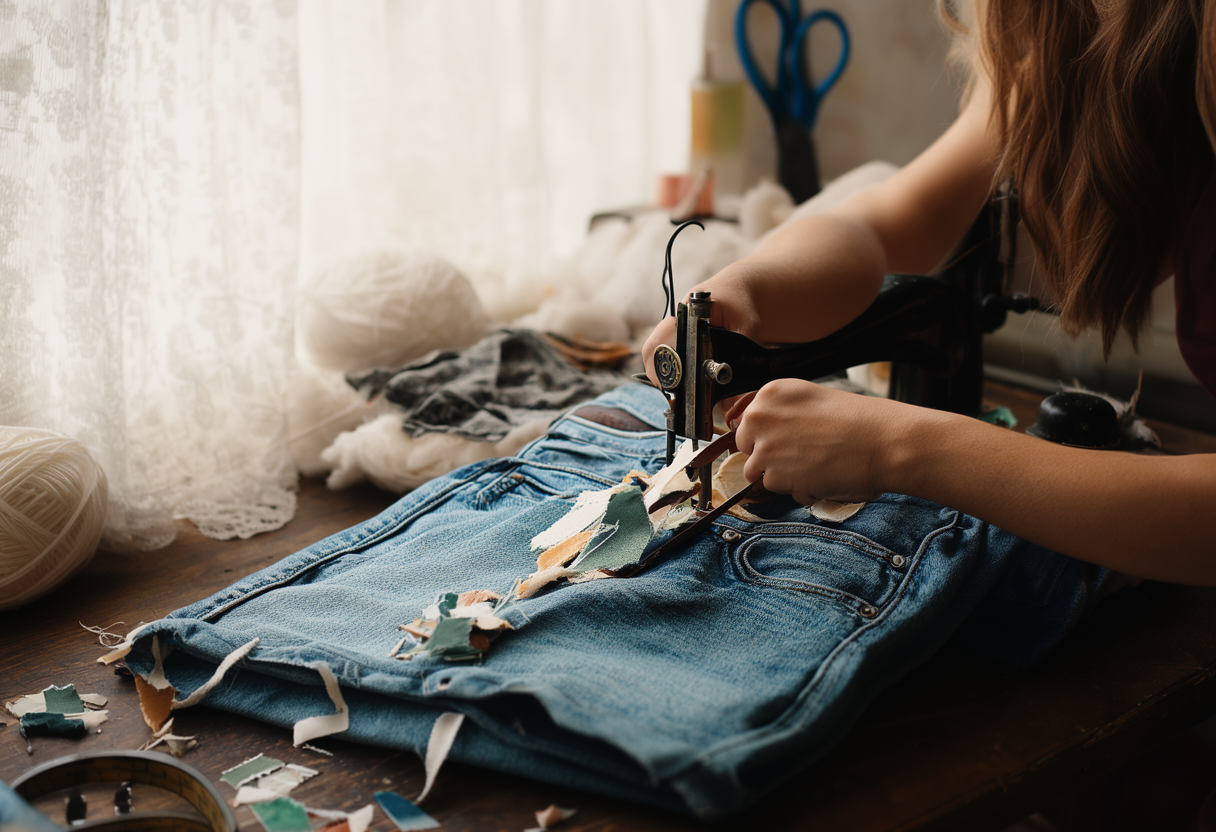
To start upcycling jeans, you’ll need basic sewing supplies. A sharp pair of scissors or a rotary cutter is essential for cutting denim. A heavy-duty needle and up thread designed for denim will make sewing easier. Other useful tools include measuring tape, pins, and a sewing machine (though hand-sewing is possible for small projects).
For specific projects, you might need additional materials. For example, turning jeans into a bag may require handles, buckles, or other hardware. Upcycling into home decor items like pillows or quilts might require stuffing or batting. Always check your project’s requirements before starting. The guide Upcycling Denim: Transform Old Jeans into New Favorites has a detailed checklist of tools and materials.
When selecting materials, consider their quality and durability. For instance, if you’re making a bag, choose sturdy handles that can support the weight of the items you plan to carry. For clothing items, ensure that any added embellishments are securely attached and comfortable to wear. Investing in good-quality materials will result in a finished product that is both functional and long-lasting.
What are some popular upcycling jeans projects?
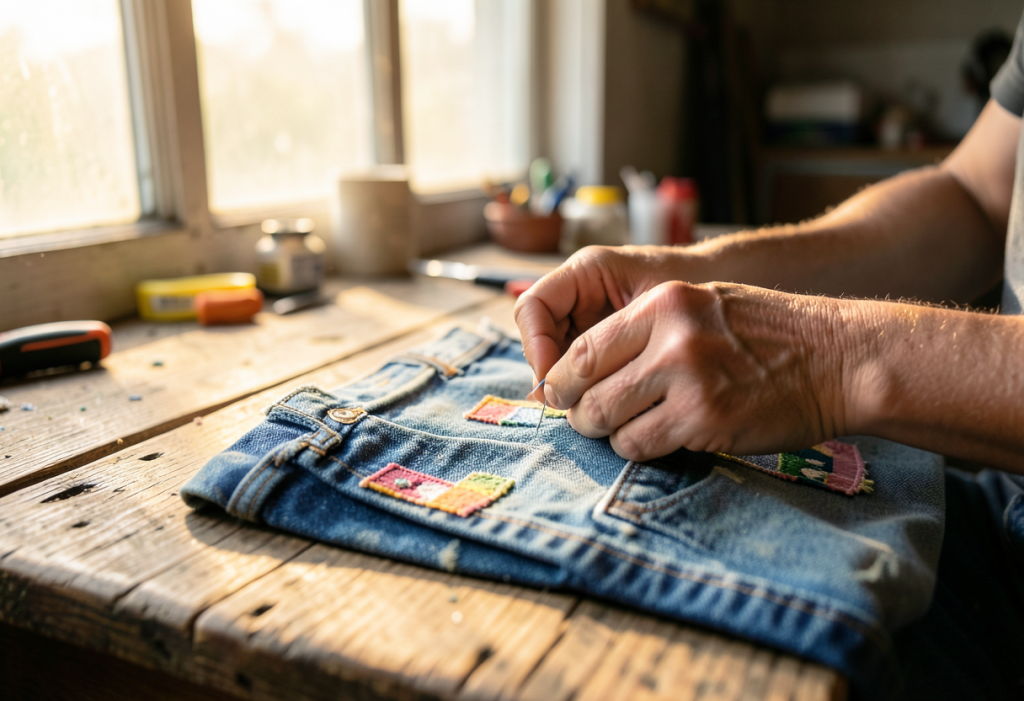
There are countless ways to upcycle old jeans. One popular project is turning them into a denim bag. This can be as simple as cutting off the legs and adding straps, or more complex with added pockets and designs. Jeans can also be transformed into skirts, shorts, or even dresses, depending on the size and style of the original jeans. Denim jackets are another common upcycling project, often involving patching, painting, or adding embroidery.
Beyond clothing and accessories, jeans can be upcycled into home decor items. Denim can be cut into strips and braided into rugs, or used as upholstery fabric for chairs and ottomans. With some creativity, old jeans can even be turned into insulation materials or pet beds. The possibilities are truly endless, and the guide Jeans Upcycling: Step-by-Step DIY for Sustainable Fashion has detailed instructions for several projects.
For those interested in more complex projects, consider upcycling jeans into functional items like tote bags, backpacks, or even furniture. These projects often require more advanced sewing skills and additional materials, but the results can be both practical and stylish. For example, you can create a denim-covered stool by wrapping old jeans around a foam seat and securing them with glue or stitching. This not only gives new life to old jeans but also adds a unique touch to your home decor.
How can I sell upcycled jeans products?
Selling upcycled jeans products can be a rewarding way to turn your creativity into income. Online platforms like Etsy, eBay, or even your own website are great places to start. Social media platforms like Instagram and Facebook can also be used to showcase your products and reach potential customers. Local markets, craft fairs, and pop-up shops are other avenues to sell your upcycled creations.
When selling upcycled products, it’s important to highlight the unique aspects of each piece. Emphasize the story behind the item, the materials used, and the environmental benefits of upcycling. High-quality photos and detailed descriptions can help potential customers appreciate the value of your work. Pricing should reflect the time, skill, and materials involved, as well as the market demand for upcycled items.
To stand out in the market, consider offering customization options. Customers may appreciate the ability to personalize their upcycled items, such as choosing the color of threads, adding initials, or selecting specific designs. Offering customization can make your products more appealing and justify higher prices. Additionally, providing excellent customer service and packaging your items attractively can enhance the overall shopping experience and encourage repeat business.
Think of upcycling jeans like giving them a second life. Just as you might repurpose an old jar to store spices, you can transform old jeans into something new and useful. Instead of throwing them away, you’re giving them a new purpose, saving resources, and creating something unique.
What are some tips for successful upcycling jeans projects?
Start with a clear plan and gather all necessary materials before beginning your project. Measure and mark your fabric carefully to avoid mistakes. If you’re new to sewing, practice on scrap fabric first to get a feel for working with denim. Don’t be afraid to experiment with different techniques and designs to make your project truly unique.
Here’s a simple step-by-step guide to starting your upcycling project:
- Choose your project and gather old jeans and materials.
- Wash and dry the jeans to remove any dirt or stains.
- Measure and mark the denim according to your project’s requirements.
- Cut the denim carefully, following your markings.
- Sew the pieces together, using a heavy-duty needle and thread designed for denim.
- Add any decorative elements, like patches, paint, or embroidery.
- Finish your project by adding any necessary hardware, like zippers or buttons.
When working on your upcycling project, consider the following tips to ensure success:
- Take your time: Rushing through the process can lead to mistakes. Enjoy the creative journey and take your time to ensure quality.
- Use quality materials: Invest in good-quality threads, needles, and other supplies to ensure your project lasts.
- Experiment with designs: Don’t be afraid to try new techniques or designs. Upcycling is all about creativity and innovation.
- Learn from mistakes: If something doesn’t turn out as expected, use it as a learning opportunity. Each project will help you improve your skills.
- Share your work: Share your upcycled creations with others. This can inspire others and provide you with valuable feedback.
How can I learn more about upcycling jeans?
There are many resources available for learning more about upcycling jeans. Books, online tutorials, and workshops can provide guidance and inspiration. Websites like Pinterest and YouTube have a wealth of ideas and step-by-step instructions. Joining upcycling communities or forums can also connect you with like-minded individuals who share tips and advice.
For more detailed guidance, check out the following resources:
- The definitive guide Upcycling Denim: Transform Old Jeans into New Favorites offers comprehensive instructions for transforming old jeans into new favorites.
- The step-by-step DIY guide Jeans Upcycling: Step-by-Step DIY for Sustainable Fashion provides clear, easy-to-follow instructions for various upcycling projects.
- The denim jacket guide Upcycling Denim Jacket: Custom Designs & Repair Tips offers custom designs and repair tips for upcycling denim jackets.
- The vintage styling guide Upcycling Jean Jackets: Vintage Styling & Modification Ideas provides modification ideas for upcycling jean jackets.
- The restyling guide Upcycling Denim Jackets: How to Restyle Your Wardrobe offers tips for restyling your wardrobe with upcycled denim jackets.
Attending workshops or classes can also be a great way to learn more about upcycling jeans. Look for local craft fairs, community centers, or fabric stores that offer workshops. These events provide hands-on experience and the opportunity to ask questions and get feedback from experienced upcyclers. Additionally, many online platforms offer virtual classes and tutorials, allowing you to learn at your own pace and from the comfort of your home.
Start your upcycling journey today by gathering old jeans and exploring the endless possibilities of denim makeovers. With creativity and a little effort, you can transform old jeans into unique, functional, and stylish items that reduce waste and express your personal style.
Frequently asked questions
What is upcycling and how does it apply to jeans?
Upcycling transforms old or unwanted items into new products of higher value. For jeans, this means creatively repurposing them into shorts, skirts, or even bags. It reduces waste by giving denim a second life. Techniques include cutting, sewing, and adding embellishments. For example, turning faded jeans into a denim tote bag is a popular upcycling project.
What tools and materials are needed to upcycle jeans?
Basic tools include scissors, needles, thread, and a sewing machine. Other materials might be fabric paint, patches, or buttons. For more complex projects, consider a rotary cutter and chalk for marking patterns. Essential supplies also include an iron for pressing seams. Many upcycling projects require minimal investment, using items you likely already own.
Can upcycling jeans save money compared to buying new?
Yes, upcycling jeans can be cost-effective. Instead of purchasing new clothes, you repurpose old ones. For instance, turning a pair of jeans into shorts costs only the price of thread and possibly new buttons. Upcycling also reduces the environmental impact of fast fashion. It’s a sustainable way to refresh your wardrobe without spending much.
What are some beginner-friendly upcycling projects for jeans?
Simple projects include turning jeans into shorts or a denim skirt. Cutting off the legs and hemming them creates shorts. For a skirt, cut along the inner leg seams and sew the edges together. Another easy project is making a denim tote bag. Cut off the legs and sew the bottom shut. Add straps made from the remaining fabric. These projects require basic sewing skills.