
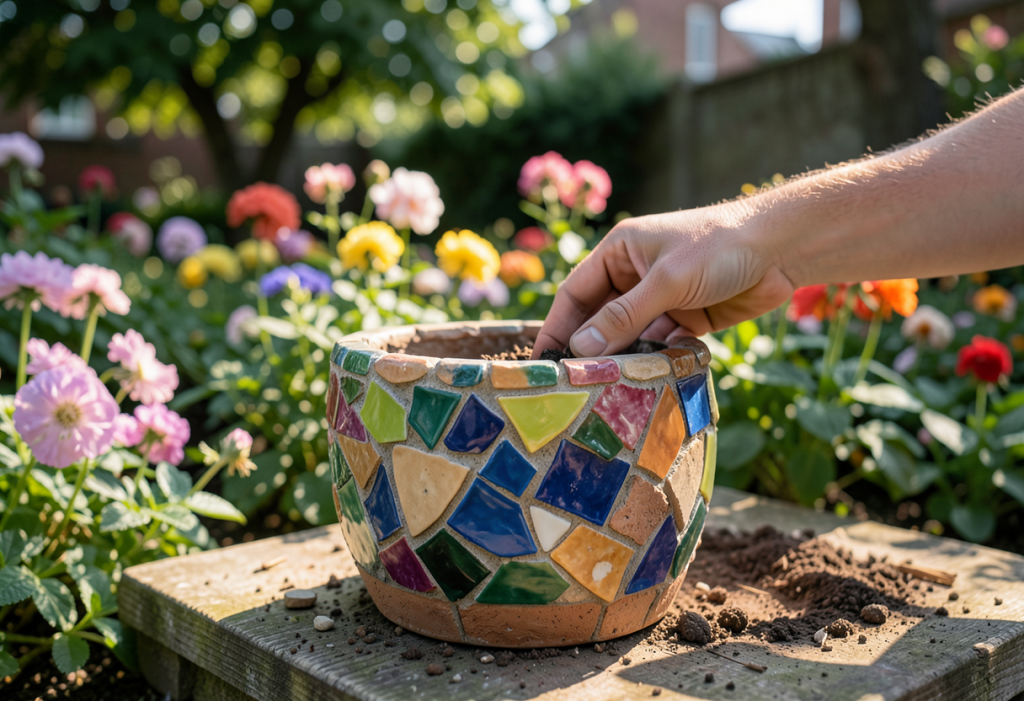
Editorial Team · on 14 June 2026 · 7 min read · Last reviewed 14 June 2026
Upcycling is the creative process of transforming discarded or unwanted materials, like old furniture or household items, into new, functional, and often decorative pieces, such as planters, thereby reducing waste and promoting sustainability.
Key facts
- Upcycling reduces landfill waste by repurposing items that would otherwise be discarded.
- The global upcycling market is valued at over $700 million, driven by increasing environmental awareness.
- Common materials for upcycling planters include wood, metal, plastic, and glass.
- Upcycled planters can enhance garden aesthetics while promoting eco-friendly practices.
What materials can be upcycled into planters?
Almost any durable material can be upcycled into a planter, as long as it can hold soil and withstand outdoor conditions. Wooden crates, metal buckets, plastic containers, and even old boots or shoes are popular choices. For instance, a sturdy wooden wine crate can be lined with a waterproof membrane and turned into a rustic planter. Similarly, an old metal bucket can be painted and used to grow herbs or flowers. The key is to choose materials that are non-toxic and can withstand weather exposure.
Glass jars and bottles are also excellent candidates for upcycling into planters. These can be hung from trees or mounted on walls to create vertical gardens. When selecting materials, consider their durability, ease of cleaning, and how well they will integrate with your garden’s aesthetic. Additionally, ensure that the material does not contain harmful chemicals that could leach into the soil and affect plant growth.
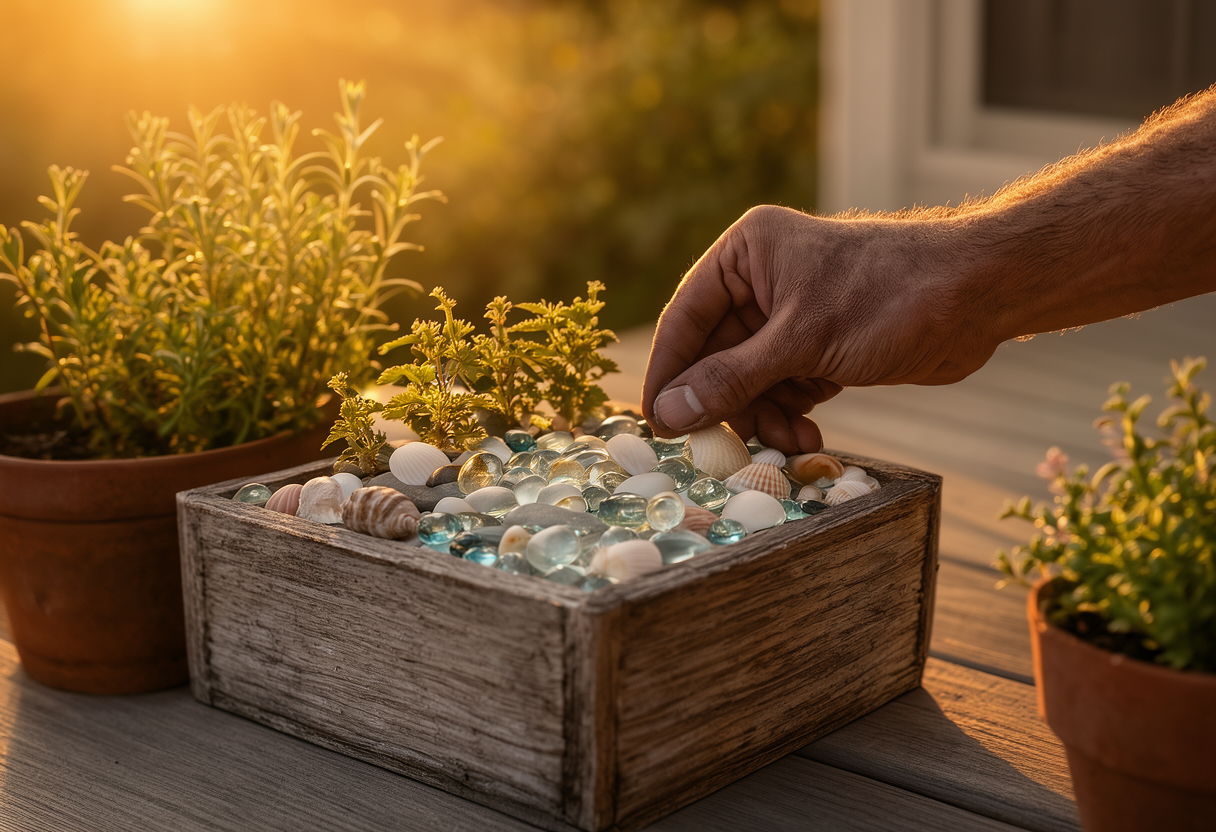
How do you prepare materials for upcycling into planters?
Preparing materials for upcycling involves several steps to ensure they are safe and functional for plant growth. Start by thoroughly cleaning the item to remove any dirt, dust, or residues. For wooden items, sanding is essential to smooth out rough edges and create a better surface for painting or sealing. If the wood is untreated, it may need to be sealed with a waterproofing agent to prevent rotting. Metal items should be checked for rust and, if necessary, treated with a rust-inhibiting primer before painting.
Plastic containers should be inspected for cracks or weak points that could compromise their structure. If the plastic is thin or brittle, it may not be suitable for long-term use as a planter. Glass items should be carefully cleaned and inspected for chips or cracks. Once cleaned and prepped, you can paint or decorate the items to match your garden’s style. Remember to use non-toxic paints and sealants to ensure the safety of your plants.
Think of upcycling like giving an old item a new lease on life. Just as you might refinish an old piece of furniture to make it look new, you can transform a discarded item into a functional planter. The key is to choose the right materials, prepare them properly, and let your creativity shine.
What are some creative upcycling planter ideas?
One of the most popular upcycling planter ideas is using old wooden pallets. By disassembling a pallet and cutting the wood into planks, you can create a vertical garden or a series of small planters. Another creative idea is to use old tires, which can be painted and stacked to create a unique garden feature. Tires are durable and can be easily found for free or at a low cost.
Old boots, shoes, and even wellington boots can be turned into quirky planters. These can be hung on walls or placed on the ground to add a whimsical touch to your garden. For a more modern look, consider upcycling metal cans or buckets. These can be painted in bright colors or metallic finishes to create a striking contrast against green foliage. Additionally, old furniture pieces like dresser drawers or chests can be transformed into planters by removing the backs and adding a waterproof liner.
How do you ensure the longevity of upcycled planters?
To ensure the longevity of upcycled planters, it is crucial to choose materials that can withstand outdoor conditions. Wooden planters should be treated with a waterproof sealant to prevent rotting and warping. Metal planters should be coated with a rust-resistant paint to protect them from corrosion. Plastic planters should be UV-stabilized to prevent cracking and fading due to sun exposure. Regular maintenance, such as cleaning and inspecting for damage, will also help extend the life of your upcycled planters.
Placing planters in the right location can also enhance their durability. Avoid placing wooden planters in areas with constant moisture, as this can accelerate rotting. Metal planters should be placed in shaded areas to prevent excessive heat, which can cause paint to peel. Plastic planters should be kept out of direct sunlight to prevent warping. By taking these precautions, you can enjoy your upcycled planters for years to come.
What are the benefits of upcycling planters for businesses?
For businesses, upcycling planters can be a cost-effective way to enhance outdoor spaces while promoting sustainability. By repurposing old materials, businesses can reduce waste and lower disposal costs. Additionally, upcycled planters can serve as unique marketing tools, attracting customers who value eco-friendly practices. For example, a restaurant can use upcycled planters to create an inviting outdoor dining area, while a retail store can use them to display products in an environmentally conscious manner.
Upcycling planters can also improve employee morale and customer satisfaction. Employees who see their workplace committing to sustainable practices may feel more engaged and motivated. Customers, on the other hand, may appreciate the effort and choose to support businesses that align with their values. Furthermore, upcycled planters can enhance the aesthetic appeal of a business’s exterior, making it more attractive to passersby and potential customers.
How can you sell upcycled planters for profit?
Selling upcycled planters can be a profitable venture for those with a creative eye and a passion for sustainability. To get started, identify a niche market, such as eco-conscious homeowners or businesses looking to enhance their outdoor spaces. Research local regulations and obtain any necessary permits or licenses to sell your products. Create a strong brand identity that highlights the unique benefits of your upcycled planters, such as their eco-friendly nature and one-of-a-kind designs.
To reach your target audience, utilize online platforms like Etsy, eBay, or your own website. Social media platforms like Instagram and Pinterest can also be powerful tools for showcasing your creations and attracting customers. Participate in local craft fairs, markets, or pop-up events to sell your planters in person and build a loyal customer base. Offer customization options to cater to individual preferences and increase the perceived value of your products.
Upcycling planters offers a creative and sustainable way to enhance your garden or business while reducing waste. By choosing the right materials, preparing them properly, and maintaining their longevity, you can create beautiful and functional planters that add value to your space. For businesses, upcycling planters can be a cost-effective marketing tool that attracts eco-conscious customers and improves employee morale. Selling upcycled planters can also be a profitable venture, with various sales channels available to reach your target audience. Start exploring the possibilities of upcycling today and turn trash into garden treasures.
Frequently asked questions
What materials can be upcycled into planters?
Almost any sturdy, non-toxic material can be repurposed. Common choices include old tires, plastic bottles, tin cans, pallets, and even shoes. For example, a plastic bottle can be cut and decorated to create a hanging planter, while an old wheelbarrow makes a charming garden centerpiece.
Is upcycling planters eco-friendly?
Yes, it reduces waste and conserves resources. By reusing materials, you cut down on landfill contributions and the need for new production. For instance, turning a tin can into a planter saves energy and reduces pollution compared to buying a new one.
How do I ensure upcycled planters are safe for plants?
Choose materials that won’t leach harmful chemicals. Avoid painted or treated wood for edible plants. Clean all items thoroughly. Drill drainage holes in containers to prevent waterlogging. For example, a glass jar is ideal for small succulents but needs a hole in the bottom.
Can upcycled planters withstand outdoor conditions?
Many can, but durability depends on the material. Metal cans may rust, so line them with plastic. Wooden crates should be sealed to prevent rot. For long-lasting outdoor use, consider upcycling concrete blocks or ceramic pots. A well-maintained upcycled planter can last years.