
Editorial Team · on 14 June 2026 · 9 min read · Last reviewed 14 June 2026
Upcycling is the process of transforming old or unwanted materials, particularly clothing like t-shirts, into new, higher-quality products to reduce waste and promote sustainability.
Key facts
- Upcycling a t-shirt can extend its lifecycle by up to 6 months to 2 years, reducing textile waste.
- Over 100 billion clothing items are produced annually, with many ending up in landfills within a year.
- Common upcycling techniques include cutting, dyeing, and sewing to create new designs.
- Upcycling can save up to 70% of the water and energy required to produce new clothing.
What are the benefits of upcycling a t-shirt?
Upcycling a t-shirt offers numerous advantages, both environmental and personal. By repurposing an old t-shirt, you reduce the demand for new clothing, which in turn lowers the environmental impact of textile production. This process helps minimize water usage, chemical pollution, and carbon emissions associated with manufacturing new garments. Additionally, upcycling allows you to create unique, personalized pieces that reflect your style, making your wardrobe more sustainable and individualized. It’s a cost-effective way to refresh your clothing collection without contributing to fast fashion’s negative effects.
On a personal level, upcycling can be a rewarding and creative activity. It encourages you to think outside the box and develop new skills, such as sewing, cutting, and dyeing. This hands-on approach not only results in one-of-a-kind clothing items but also fosters a deeper connection with your wardrobe. Moreover, upcycling promotes mindfulness about consumption, encouraging you to value and utilize what you already own rather than constantly seeking new purchases. This shift in mindset can lead to a more sustainable lifestyle overall.

What tools and materials do I need to upcycle a t-shirt?
To start upcycling a t-shirt, you’ll need a few basic tools and materials. Essential items include sharp fabric scissors for precise cutting, a sewing kit with needles and thread, and fabric markers or chalk for marking designs. Depending on your project, you might also need a sewing machine, fabric glue, or decorative elements like buttons, patches, or ribbons. For dyeing projects, fabric dye and a large container for soaking the t-shirt are necessary. Gathering these supplies beforehand ensures a smooth and enjoyable upcycling process.
In addition to the basic tools, having a variety of t-shirts in different colors and sizes can provide more creative options. Old bedsheets, fabric scraps, or other textiles can also be incorporated into your upcycling projects to add texture and variety. Don’t forget to have a flat work surface, such as a table or ironing board, where you can lay out your t-shirt and materials. Organizing your tools and materials beforehand will make the upcycling process more efficient and enjoyable.
How can I transform an oversized t-shirt into a better fit?
Transforming an oversized t-shirt into a better fit can be achieved through several simple techniques. One popular method is to cut the t-shirt into a cropped top by measuring and cutting off the excess fabric at the bottom. This not only reduces the size but also creates a trendy, modern look. Another technique is to create a tie-front or side-tie design, which cinches the t-shirt at the waist, providing a more fitted appearance. This involves making strategic cuts and tying the resulting straps to achieve the desired fit.
For a more tailored look, consider adding darts or gathering the fabric at key points. Darts are small, triangular folds of fabric sewn into garments to shape them to the body. By adding darts to the back or sides of the t-shirt, you can create a more flattering silhouette. Alternatively, gathering the fabric at the sides and sewing it together can also create a fitted look. These techniques require basic sewing skills but can significantly improve the fit and style of an oversized t-shirt.
What are some creative ways to upcycle a t-shirt?
There are countless creative ways to upcycle a t-shirt, limited only by your imagination. One popular method is to turn an old t-shirt into a tote bag. By cutting off the sleeves and neckline, and then sewing the bottom hem, you can create a sturdy, reusable bag perfect for groceries or everyday use. Another creative idea is to transform a t-shirt into a headband or scarf by cutting it into strips and tying them together. This not only repurposes the fabric but also adds a unique, handmade touch to your accessories.
For those with sewing skills, turning a t-shirt into a dress or skirt is a fantastic upcycling project. By cutting the t-shirt into a desired shape and adding a skirt or a hem, you can create a stylish, one-of-a-kind garment. Additionally, you can use the fabric to make patchwork quilts, pillow covers, or even pet toys. These projects not only reduce waste but also result in functional and decorative items for your home. Exploring different upcycling ideas can lead to innovative and satisfying results.
Upcycling a t-shirt is like giving it a new lease on life. Just as you might repurpose an old jar into a storage container, you can transform an old t-shirt into something fresh and useful. By cutting, sewing, or dyeing it, you’re not just fixing it up—you’re turning it into something entirely new and unique.
How can I dye a t-shirt to give it a new look?
Dyeing a t-shirt is a straightforward process that can dramatically change its appearance. To start, choose a fabric dye suitable for the material of your t-shirt, typically cotton or synthetic blends. Prepare your workspace by covering surfaces with plastic or old newspapers to protect them from dye stains. Fill a large container with hot water and add the dye according to the package instructions. Stir the dye thoroughly to ensure even distribution.
Submerge the t-shirt in the dye bath, making sure it is fully saturated. Use a spoon or tongs to stir the t-shirt occasionally to ensure even dye penetration. Allow the t-shirt to soak in the dye for the recommended time, usually between 15 to 60 minutes, depending on the desired shade. After soaking, rinse the t-shirt in cold water until the water runs clear. Wash it separately in a washing machine with mild detergent to remove any excess dye. Finally, dry the t-shirt according to the care instructions to complete the dyeing process.
What are some common mistakes to avoid when upcycling a t-shirt?
- Using dull or dull scissors can result in frayed edges and uneven cuts. Always use sharp fabric scissors for clean, precise cuts.
- Skipping pre-washing can lead to shrinking or bleeding of the dye. Always pre-wash your t-shirt before upcycling to avoid these issues.
- Neglecting to secure seams properly can cause your upcycled t-shirt to unravel. Always backstitch at the beginning and end of your seams to ensure durability.
- Choosing the wrong type of dye for your t-shirt material can result in uneven or faded colors. Always check the dye instructions to ensure compatibility with your t-shirt fabric.
How do different upcycling techniques compare?
How can I care for my upcycled t-shirt to ensure longevity?
Proper care is essential to ensure the longevity of your upcycled t-shirt. Always follow the care instructions specific to the materials and techniques used in your upcycling project. For example, if you’ve dyed your t-shirt, wash it separately for the first few washes to prevent color bleeding. Use mild detergents and avoid harsh chemicals that can damage the fabric or cause fading. Additionally, turn your t-shirt inside out before washing to protect the outer surface from wear and tear.
When drying your upcycled t-shirt, opt for air drying whenever possible to preserve the fabric’s integrity. High heat from dryers can cause shrinking and damage, especially if your t-shirt contains delicate materials. If you must use a dryer, choose a low-heat setting. Store your upcycled t-shirt in a cool, dry place away from direct sunlight to prevent discoloration and deterioration. By following these care tips, you can extend the life of your upcycled t-shirt and continue to enjoy its unique style.
What are some advanced upcycling techniques for experienced crafters?
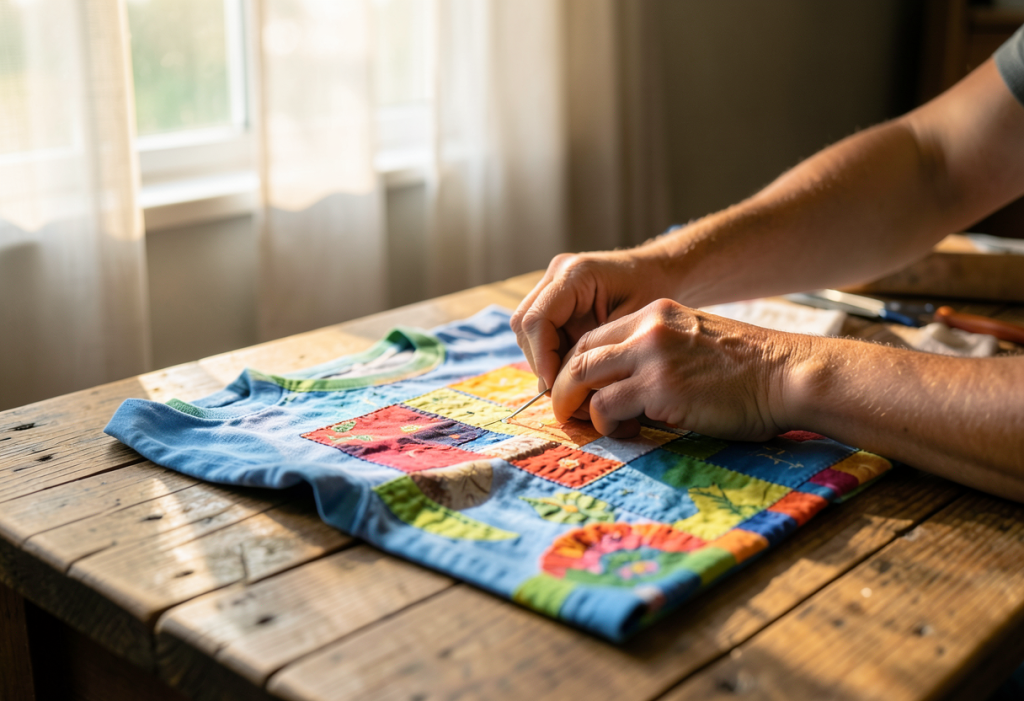
For those with more experience in upcycling, advanced techniques can take your projects to the next level. One such technique is appliqué, which involves attaching pieces of fabric to the surface of the t-shirt to create intricate designs. This can be done by hand or with a sewing machine, and it allows for endless creativity in patterns and textures. Another advanced technique is quilting, where layers of fabric are stitched together to create a padded, textured effect. This can be particularly effective for turning t-shirts into cozy blankets or decorative wall hangings.
Embroidery is another advanced upcycling technique that adds a touch of elegance and personalization to your t-shirts. By stitching detailed designs onto the fabric, you can create unique, handmade pieces that stand out. Additionally, techniques like smocking or shirring, which involve gathering fabric to create ruffled or textured effects, can add dimension and interest to your upcycled t-shirts. These advanced techniques require more skill and practice but result in stunning, one-of-a-kind creations that showcase your craftsmanship.
Where can I find inspiration and tutorials for upcycling t-shirts?
Finding inspiration and tutorials for upcycling t-shirts is easier than ever, thanks to the abundance of online resources. Websites like Pinterest and Instagram are treasure troves of creative ideas, featuring a wide range of upcycling projects shared by enthusiasts worldwide. You can search for specific techniques, such as dyeing or sewing, and discover step-by-step guides and visual inspiration. Additionally, YouTube offers numerous video tutorials that walk you through the upcycling process, making it easy to follow along at your own pace.
For more structured learning, consider enrolling in online courses or workshops focused on upcycling and sustainable fashion. Platforms like Udemy and Skillshare offer courses taught by experts, covering everything from basic cutting and sewing to advanced design techniques. Local craft stores and community centers often host workshops and classes where you can learn from experienced instructors and connect with fellow crafters. By exploring these resources, you can continuously expand your upcycling skills and stay inspired by the latest trends and techniques.
For more detailed instructions and creative ideas, check out our comprehensive guide How to Upcycle T-Shirts: The Ultimate DIY Guide and explore various upcycling techniques and projects to transform your old t-shirts into trendy pieces.
Frequently asked questions
How can I make an oversized t-shirt fit better?
Transform an oversized t-shirt by taking it in at the sides. Use a needle and thread or a sewing machine to stitch a dart from the hem up to the underarm. Alternatively, cut the t-shirt strategically and hem the edges for a cropped or off-shoulder look. No advanced sewing skills needed.
What can I do with a t-shirt that has shrunk?
For a shrunk t-shirt, consider turning it into a trendy tank top. Cut off the sleeves and neckline to your desired shape. For a more fitted look, add elastic at the neckline. This hack works well with cotton t-shirts that have lost their stretch.
How can I add style to a plain t-shirt?
Elevate a plain t-shirt with fabric paint or markers. Create patterns, text, or designs. Another option is to fray the edges for a distressed look. Cutting and tying the hem can also add texture and visual interest. These methods require minimal supplies and effort.
Can I upcycle a t-shirt without sewing?
Yes, you can upcycle a t-shirt without sewing. Use fabric glue to attach patches or lace. Cut the t-shirt into a different shape, like a halter top or a tie-front blouse, and secure the edges with glue. This method is quick and easy, perfect for beginners.