
Editorial Team · on 14 June 2026 · 11 min read · Last reviewed 14 June 2026
Upcycling is the process of transforming discarded or unwanted materials, particularly clothing, into new, higher-quality products.
Key facts
- Upcycling reduces textile waste, with the EPA reporting that Americans generate around 17 million tons of textile waste annually.
- A single upcycled t-shirt can save up to 2,700 liters of water compared to producing a new one.
- Upcycling can turn old clothes into unique, one-of-a-kind pieces, adding value to your wardrobe.
- Basic upcycling projects can be completed in a weekend with minimal tools and materials.
- The global upcycling market is projected to grow at a CAGR of 6.1% from 2021 to 2028, driven by increasing environmental awareness.
What simple tools do I need to start upcycling clothes?
You don’t need fancy equipment to begin upcycling. Basic tools like fabric scissors, needles, threads, and a sewing machine (if you have one) are sufficient for most projects. For no-sew projects, fabric glue, safety pins, or iron-on patches can be useful. If you’re new to sewing, consider practicing on old clothes before tackling more complex projects.
For more advanced techniques, you might need a fabric marker, measuring tape, and various embellishments like buttons, beads, or ribbons. These can be found at local craft stores or online. As you gain experience, you can explore specialized tools like rotary cutters or sergers to improve the quality of your upcycled garments. For instance, a rotary cutter can help achieve straight, precise cuts, which are essential for projects like turning jeans into a skirt.
Investing in a good pair of fabric scissors is crucial, as they will make cutting through various fabric types easier. A seam ripper is also handy for removing old stitches and altering existing seams. For those interested in adding decorative elements, a collection of fabric paints, stamps, and stencils can open up a world of creative possibilities.
How can I upcycle an old t-shirt?
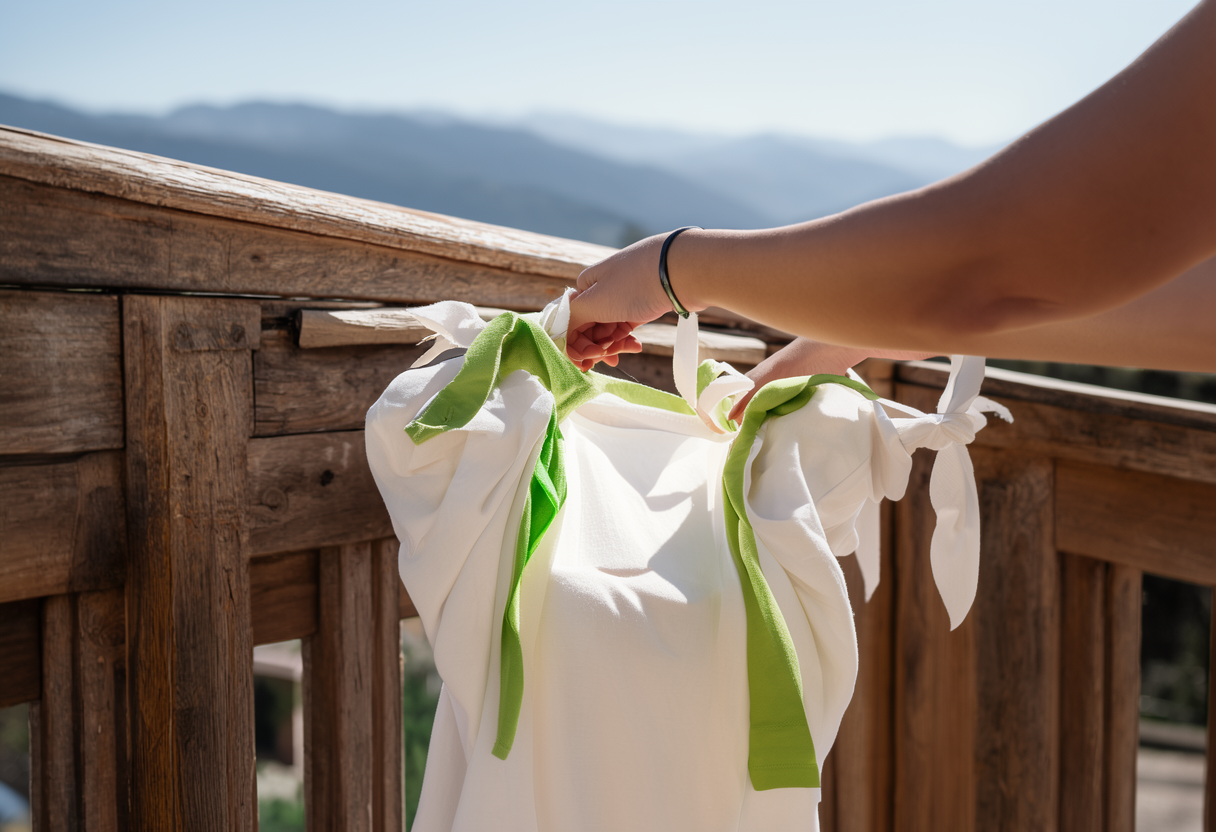
One of the simplest upcycling ideas is transforming an old t-shirt into a new, stylish piece. You can turn it into a crop top by cutting off the bottom and hemming the raw edge. Another idea is to create a ruffled top by cutting strips along the bottom and tying them into knots. For a no-sew option, you can use fabric glue to attach lace or ribbon trim to the neckline or sleeves.
If you’re feeling more adventurous, you can upcycle a t-shirt into a tote bag. Cut off the sleeves and neckline, then sew or glue the bottom edges together. You can also add straps made from the sleeve fabric. This not only gives you a new bag but also reduces plastic bag usage. Another creative idea is to turn a t-shirt into a headband by cutting a strip from the hem, stretching it to create a rolled effect, and then sewing or gluing the ends together.
For a unique twist, consider creating a patchwork project using multiple old t-shirts. Cut the shirts into squares or other shapes, then sew or glue them together to form a new garment or accessory. This technique works well for making quilts, pillows, or even new t-shirts with a patchwork design. The possibilities are endless, and each project helps reduce textile waste while allowing you to express your creativity.
What are some easy upcycling ideas for jeans?
Jeans are versatile and can be upcycled in numerous ways. One simple idea is to turn them into shorts by cutting off the legs at your desired length and distressing the edges for a trendy look. You can also create a denim skirt by cutting along the inner leg seams and hemming the edges. This project is straightforward and requires minimal sewing skills, making it perfect for beginners.
For a more unique project, consider turning old jeans into a denim jacket. You’ll need two pairs of jeans, but the result is a stylish, one-of-a-kind piece. Cut the jeans into panels, then sew them together to form the jacket’s body and sleeves. You can also add pockets or other embellishments to personalize your jacket. Another creative idea is to transform jeans into a denim purse or clutch. Cut the jeans into the desired shape, then reinforce the edges with stitching or fabric glue.
If you have old jeans that are too worn to wear, consider upcycling them into home decor items. Turn them into a denim rug by cutting the jeans into strips and braiding or weaving them together. You can also create denim coasters or placemats by cutting the jeans into squares and adding a backing material. These projects not only reduce waste but also add a personal touch to your home.
How can I upcycle clothes without sewing?
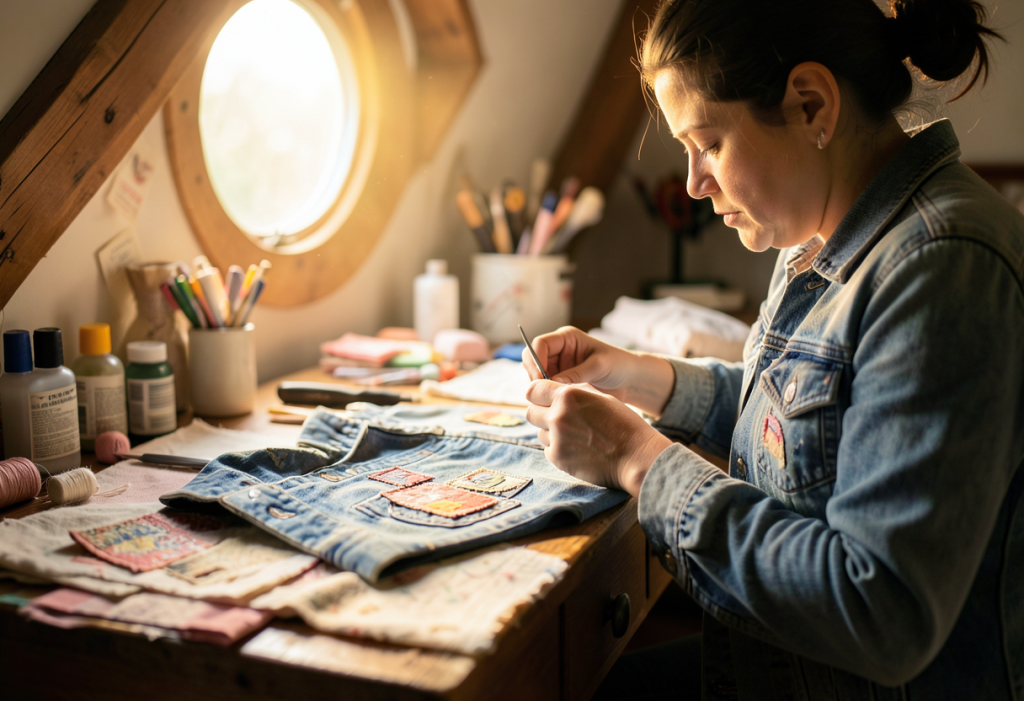
No-sew upcycling projects are perfect for beginners or those who don’t have sewing skills. One idea is to use fabric glue to attach patches or embroidery to old clothes, creating a unique design. You can also use fabric paint or markers to add patterns or images to plain t-shirts or jeans. These techniques allow you to personalize your clothes without needing a sewing machine or needle and thread.
Another no-sew option is to create a fringe or tassel detail on the hem of a skirt or the cuffs of a sweater. Simply cut strips of fabric and tie them together at the top. You can also use safety pins to attach brooches, pins, or other embellishments to clothes for a quick and easy makeover. For example, turning an old sweater into a cozy scarf by cutting the sleeves and neckline, then tying the ends together with fringe.
Fabric glue and iron-on patches are versatile tools for no-sew upcycling. Use fabric glue to attach lace, ribbon, or other trim to clothes for a decorative effect. Iron-on patches can be used to cover stains or holes, adding a touch of personality to your garments. Additionally, you can use fabric paint or markers to create custom designs on t-shirts, jeans, or other clothing items. These techniques are simple, fast, and require minimal materials.
What are some upcycling ideas for children’s clothes?
Children’s clothes are often outgrown before they wear out, making them perfect for upcycling. One idea is to turn old baby onesies into a quilt by sewing or gluing them together. You can also create a memory bear by stuffing a teddy bear with pieces of your child’s outgrown clothes. These projects not only reduce waste but also create sentimental keepsakes that you can cherish for years to come.
For older children, consider turning their old t-shirts into a patchwork backpack or tote bag. Cut the shirts into squares or other shapes, then sew or glue them together to form the bag’s body and straps. You can also upcycle their outgrown jeans into a denim skirt or shorts. These projects are fun and creative, allowing your child to have a unique wardrobe while reducing textile waste.
Another creative idea is to transform old children’s clothes into doll clothes. Cut the clothes to size and alter them to fit a doll. This project is perfect for teaching children about upcycling and the importance of reducing waste. You can also turn old children’s clothes into a fabric memory book by cutting the clothes into shapes and gluing them onto a scrapbook page. Add photos and captions to create a unique keepsake that tells the story of your child’s growth and development.
Think of upcycling like giving your old clothes a makeover. Just as you’d transform an old piece of furniture with paint or new hardware, you can breathe new life into your clothes with simple alterations, embellishments, or creative cutting and sewing. By repurposing old materials, you not only reduce waste but also create unique, personalized items that reflect your style and creativity.
How can I ensure my upcycled clothes are durable?
To create durable upcycled clothes, use high-quality materials and tools. Choose strong threads and needles suitable for the fabric type. If sewing by hand, use small, even stitches to ensure durability. For no-sew projects, use fabric glue designed for the specific fabric type and allow it to dry completely before wearing or washing. Reinforcing stress points, such as the crotch of jeans or the armpits of t-shirts, with additional stitching or fabric can also enhance durability.
When cutting and altering clothes, follow the original seams and hems to maintain the garment’s structure. This not only ensures a better fit but also extends the lifespan of the upcycled item. Regularly inspect your upcycled clothes for signs of wear and repair them promptly to extend their lifespan. For example, reinforcing the seams of a denim jacket or adding patches to areas prone to wear can help maintain the garment’s integrity over time.
Choosing the right fabric for your upcycling project is crucial. Some fabrics, like denim or canvas, are more durable and can withstand frequent wear and tear. Others, like cotton or linen, may require more care but can still be upcycled into stylish and long-lasting garments. Always pre-wash and dry the fabric before starting your project to prevent shrinkage or color bleeding. This step is especially important when working with natural fibers like cotton or wool.
What are some creative upcycling ideas for accessories?
Upcycling isn’t limited to clothes; you can also transform old accessories into new, stylish pieces. Turn old scarves into a headband or hair scrunchie by sewing or gluing the ends together. You can also upcycle old belts into a statement necklace or bracelet by adding beads or charms. These projects not only reduce waste but also allow you to express your personal style through unique, handmade accessories.
For a unique handbag, consider upcycling an old purse or wallet by covering it with fabric or adding embellishments like studs or embroidery. You can also turn old jewelry into a new piece by disassembling and rearranging the components. For example, turning old brooches into a statement ring by attaching them to a ring base. Another creative idea is to transform old ties into a stylish bow tie or cufflinks, adding a touch of elegance to your outfit.
Old socks can be upcycled into a variety of items, such as a soft and cozy scarf or a pair of mittens. Cut the socks into strips, then braid or weave them together to create a unique and warm accessory. You can also turn old socks into a stuffed animal by sewing or gluing the pieces together and adding stuffing. This project is perfect for teaching children about upcycling and the importance of reducing waste. Additionally, old sunglasses can be upcycled into a unique piece of art by painting or decorating the frames and displaying them on a wall.
How can I get started with upcycling clothes this weekend?
- Gather your old clothes and accessories that you no longer wear or use. Look for items that are in good condition but no longer fit or suit your style. Check pockets and seams for any hidden treasures or valuable items before discarding.
- Choose a simple upcycling idea that suits your skill level and the materials you have. Start with a project that requires minimal tools and materials, such as turning a t-shirt into a crop top or adding patches to jeans. This will help you build confidence and develop your upcycling skills.
- Gather the necessary tools and materials for your project. Make sure you have all the items you need before starting, including fabric scissors, needles, threads, and any embellishments or decorative elements. Having everything ready will make the upcycling process smoother and more enjoyable.
- Follow the steps for your chosen upcycling idea, taking your time and ensuring each step is completed carefully. Refer to online tutorials or guides for detailed instructions and tips. Don’t be afraid to experiment and make mistakes, as they can often lead to unique and creative solutions.
- Once your project is complete, show it off and wear it with pride, knowing you’ve reduced waste and created something unique. Share your upcycled creations with friends and family, and encourage them to try upcycling as well. You can also share your projects on social media or online forums to inspire others and connect with like-minded individuals.
Start small and build your skills as you go. Don’t be afraid to experiment and have fun with your upcycling projects. With each creation, you’ll not only reduce textile waste but also develop a unique wardrobe that reflects your personal style. For more detailed guidance, check out our The Complete Guide to Upcycling Clothes for Beginners. Additionally, explore our for more ways to reduce your environmental impact through fashion. Remember, upcycling is a creative and rewarding process that allows you to express your individuality while making a positive difference in the world.
For those interested in learning more about sustainable fashion and upcycling, consider joining online communities or workshops focused on these topics. Websites like offer a wealth of resources and support for upcyclers of all skill levels. By connecting with others who share your passion for sustainability, you can gain valuable insights, inspiration, and encouragement to continue your upcycling journey.
Frequently asked questions
What is upcycling and why should I try it?
Upcycling transforms old or unused items into something new and useful. It reduces waste and saves money. For clothes, it’s a creative way to refresh your wardrobe. For example, turn an old T-shirt into a tote bag or jeans into shorts. It’s eco-friendly and fun.
What basic tools do I need to start upcycling clothes?
You’ll need scissors, a sewing kit, fabric glue, and possibly a needle and thread. For more advanced projects, a sewing machine helps. Don’t forget measuring tape and chalk for marking. Many items can be upcycled with just a few simple tools you likely already own.
How can I upcycle a plain white T-shirt?
Cut the sleeves and hem into a crop top. Use fabric paint or dye to add patterns. Cut fringes at the bottom for a trendy look. Turn it into a tote bag by cutting off the sleeves and reinforcing the bottom. Get creative with tie-dye or stencils for unique designs.
What should I do with old jeans?
Turn them into shorts by cutting at your desired length and distressing the hem. Cut off the legs to make a skirt. Use the denim to make a bag or patchwork quilt. Cut out pockets to create small pouches. Old jeans offer endless upcycling possibilities.