
Editorial Team · on 14 June 2026 · 7 min read · Last reviewed 14 June 2026
Upcycling is the process of transforming discarded or unused clothing into new, higher-quality garments or accessories, reducing textile waste and promoting sustainable fashion.
Key facts
- Up to 85% of textile waste ends up in landfills, with fast fashion being a major contributor.
- Upcycling one ton of clothing can save approximately 720,000 gallons of water.
- Common upcycling techniques include patchwork, tie-dye, embroidery, and fabric painting.
- The global upcycling market is projected to grow at a CAGR of around 6.5% from 2023 to 2030.
What are the benefits of upcycling clothes?
Upcycling clothes offers numerous environmental, economic, and creative advantages. By repurposing old garments, you actively contribute to reducing textile waste, which is a significant global issue. According to the Environmental Protection Agency, Americans generate over 17 million tons of textile waste annually, with less than 15% being recycled. Upcycling helps mitigate this problem by giving old clothes a new life instead of sending them to landfills.
The economic benefits of upcycling are also substantial. By upcycling, you save money on purchasing new clothes and can even generate income by selling your creations. Additionally, upcycling fosters creativity and self-expression. It allows you to personalize your wardrobe, experiment with different styles, and develop new skills. This creative outlet can be both rewarding and therapeutic, providing a sense of accomplishment and satisfaction.
What tools and materials do I need to start upcycling clothes?
To begin upcycling clothes, you’ll need a few essential tools and materials. Basic sewing supplies such as needles, threads, scissors, and sewing machines are fundamental. You’ll also need fabric glue, pins, measuring tapes, and chalk for marking patterns. Specialized tools like rotary cutters, seam rippers, and ironing boards can make the process easier and more efficient.
In addition to tools, you’ll need a steady supply of materials to upcycle. Old clothes, fabric scraps, and secondhand garments are excellent starting points. You can also incorporate other materials like buttons, zippers, lace, and beads to add unique touches to your projects. Thrift stores, garage sales, and online marketplaces are great places to find affordable and sustainable materials for your upcycling endeavors.
What are some easy upcycling techniques for beginners?
For beginners, starting with simple upcycling techniques is a great way to build confidence and skills. One popular method is patchwork, which involves sewing together pieces of old fabric to create a new design. This technique is versatile and can be used to make anything from tote bags to quilts. Another easy technique is tie-dye, which uses fabric dye to create colorful patterns on old clothes.
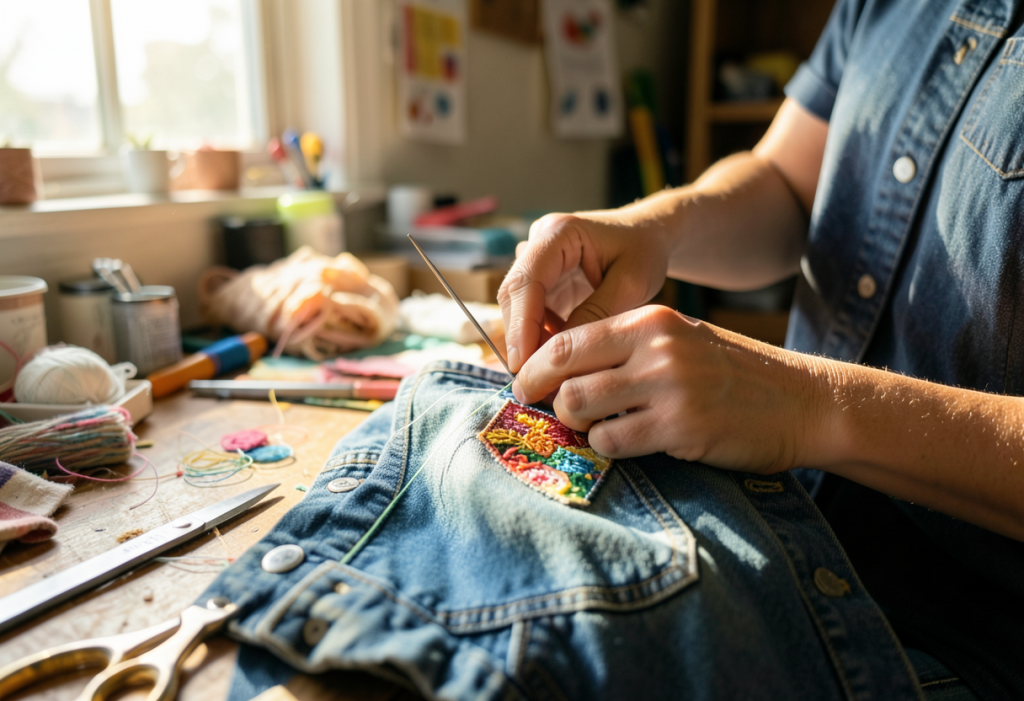
Embroidery is another beginner-friendly technique that adds intricate designs to plain fabrics. You can use basic stitches like the running stitch, backstitch, or satin stitch to create beautiful patterns. Fabric painting is also a fun and creative way to upcycle old clothes. With fabric paint and stencils, you can transform plain garments into unique pieces of art. These techniques are relatively simple and require minimal tools, making them perfect for beginners.
How can I turn old jeans into new upcycled fashion?
Old jeans are one of the most versatile items for upcycling. With a few simple techniques, you can transform them into trendy and stylish new garments. One popular way to upcycle old jeans is by turning them into shorts. By cutting off the legs and adding decorative details like fringe or embroidery, you can create a fresh, summer-ready look. Another idea is to turn jeans into a denim skirt by cutting the legs and adding a waistband.
For a more creative project, you can transform old jeans into a denim bag or backpack. By cutting and sewing the fabric, you can create a unique and durable accessory. You can also upcycle jeans into a denim jacket by adding patches, embroidery, or paint. These projects not only reduce textile waste but also allow you to express your personal style.
Think of upcycling clothes like giving your old garments a makeover. Just as you might refresh an outdated room with new paint and furniture, you can transform old clothes into stylish, new pieces with a bit of creativity and effort. By repurposing materials and adding personal touches, you breathe new life into items that might otherwise be discarded.
What are some creative upcycling ideas for clothes?
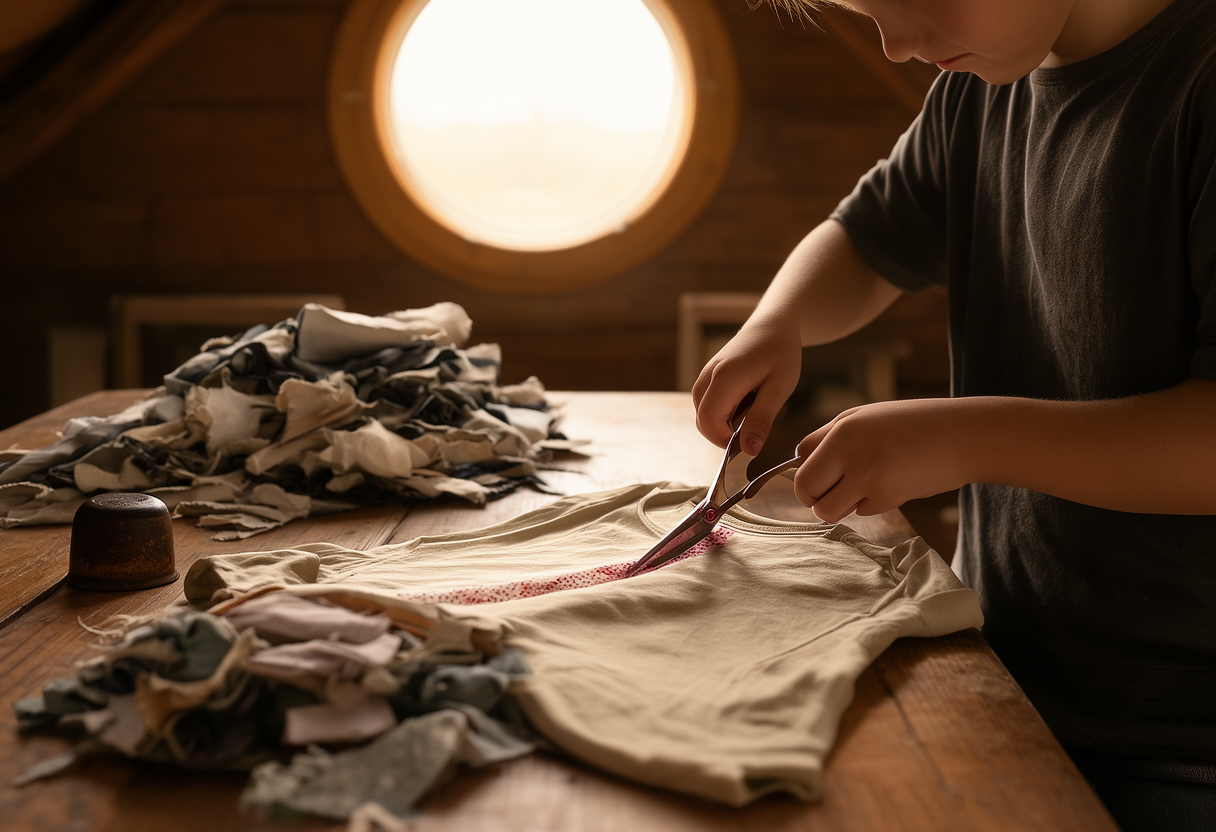
There are countless creative ideas for upcycling clothes, limited only by your imagination. One innovative project is turning old t-shirts into a quilt. By cutting the shirts into squares and sewing them together, you can create a cozy and nostalgic blanket. Another idea is to transform old sweaters into a pair of mittens or a hat. This is a great way to stay warm while reducing textile waste.
You can also upcycle old dresses into a variety of new garments. For example, a long dress can be transformed into a stylish skirt by cutting it at the waist and adding a new hem. Similarly, a short dress can be turned into a trendy top by removing the skirt portion and adding sleeves. These projects not only reduce waste but also allow you to experiment with different styles and designs.
How can I sell my upcycled clothing?
Selling your upcyclled clothing can be a rewarding way to turn your creative hobby into a profitable venture. There are several platforms where you can sell your creations, including Etsy, eBay, and local craft fairs. Each platform has its own benefits and drawbacks, so it’s important to research and choose the one that best suits your needs.
When selling your upcycled clothing, it’s crucial to price your items appropriately. Consider the cost of materials, the time spent on the project, and the demand for similar items. High-quality photographs and detailed descriptions can also help attract potential buyers. Additionally, promoting your products on social media and through word-of-mouth can increase your visibility and sales.
To get started with upcycling clothes, follow these steps:
- Gather your tools and materials, including old clothes, fabric scraps, sewing supplies, and decorative items.
- Choose a simple upcycling technique, such as patchwork, tie-dye, embroidery, or fabric painting.
- Follow tutorials or guides to learn the basics of your chosen technique.
- Experiment with different designs and styles to find what you enjoy most.
- Share your creations with friends, family, or on social media to get feedback and inspiration.
How can I incorporate upcycling into my daily life?
Incorporating upcycling into your daily life is a great way to reduce waste and promote sustainability. Start by setting aside old clothes and fabrics that you no longer wear. Instead of throwing them away, consider how you can transform them into new, useful items. You can also make a habit of shopping at thrift stores and secondhand markets to find affordable materials for your upcycling projects.
Join online communities or local groups dedicated to upcycling to share ideas and learn from others. Participating in challenges or contests can also keep you motivated and inspired. By making upcycling a regular part of your routine, you can significantly reduce your environmental impact and contribute to a more sustainable future. Check out Upcycling Clothing: Creative Techniques for Sustainable Fashion for more tips on how to get started.
Begin your upcycling journey by gathering old clothes and experimenting with simple techniques like patchwork or tie-dye. Share your creations with others and enjoy the creative and sustainable benefits of upcycling.
Frequently asked questions
What exactly is upcycling clothes?
Upcycling clothes means creatively transforming old or unwanted garments into new, higher-quality items. Unlike recycling, which breaks down materials, upcycling repurposes fabrics to extend their life. For example, turning an old t-shirt into a stylish tote bag reduces waste while creating something useful.
Do I need sewing skills to upcycle clothes?
Basic sewing skills help, but many upcycling projects require minimal stitching. No-sew options include cutting and tying fabric for a frayed edge look or using fabric glue. Beginners can start with simple projects like turning jeans into shorts or adding patches to jackets.
What materials do I need to start upcycling?
Start with a few essentials: scissors, needles, thread, and a basic sewing kit. Fabric glue and safety pins can help with no-sew projects. Gather old clothes, thrift store finds, or fabric scraps. A hot glue gun and decorative items like buttons or ribbons add flair.
How can I find inspiration for upcycling projects?
Look to online platforms like Pinterest or Instagram for ideas. Follow upcycling blogs or YouTube channels for tutorials. Visit thrift stores to find unique pieces. Books on DIY fashion projects offer step-by-step guides. Experiment with combining different fabrics and styles to create something fresh.