
Editorial Team · on 14 June 2026 · 6 min read · Last reviewed 14 June 2026
Upcycling is the creative process of transforming discarded or unused materials, like old hoodies, into new, higher-quality products, reducing waste and promoting sustainability.
Key facts
- Over 80% of discarded textiles end up in landfills, contributing to environmental pollution.
- Upcycling hoodies can reduce your carbon footprint by avoiding the production of new clothing.
- An estimated 85% of textiles end up in landfills each year, with less than 1% of material from discarded clothing being recycled into new clothing.
- Simple upcycling projects can extend the life of a hoodie by 2-5 years, reducing the demand for fast fashion.
What are the benefits of upcycling hoodies?
Upcycling hoodies offers numerous environmental and personal benefits. By repurposing old knitwear, you reduce textile waste, which is a significant environmental issue. According to the Environmental Protection Agency, Americans generate nearly 17 million tons of textile waste annually. By upcycling, you contribute to reducing this staggering number.
Upcycling also promotes sustainable fashion. The fashion industry is one of the most polluting industries globally, with fast fashion being a major contributor. By upcycling hoodies, you help combat this trend and support a more sustainable and ethical fashion industry. Additionally, upcycling allows you to create unique, one-of-a-kind pieces that reflect your personal style, adding a touch of individuality to your wardrobe.
From a practical standpoint, upcycling hoodies can save you money. Instead of buying new clothes, you can transform old hoodies into new garments or accessories, reducing your clothing expenses. This is especially beneficial in the current economic climate, where many people are looking for ways to save money.
What materials and tools do I need for upcycling hoodies?
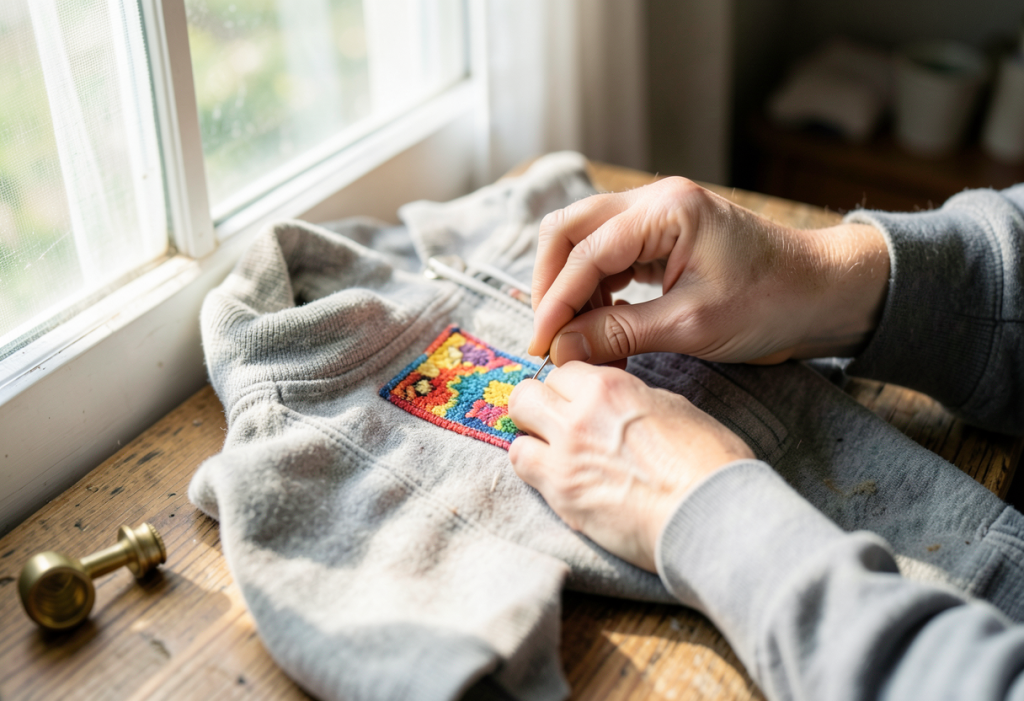
Upcycling hoodies requires basic sewing skills and a few essential materials and tools. You will need a sewing machine or a needle and thread for hand-sewing, fabric scissors, pins, and measuring tape. Additionally, you may need fabric glue, a hot glue gun, or iron-on patches, depending on the specific project.
As for materials, the possibilities are endless. You can use old hoodies, thrifted sweaters, or any other knitwear you have lying around. You can also incorporate other materials like lace, ribbons, buttons, or beads to add embellishments and details to your upcycled hoodies. Don’t be afraid to experiment with different textures and patterns to create unique and eye-catching designs.
What are some creative upcycling hoodie ideas?
There are numerous creative ways to upcycle hoodies. Here are a few ideas to inspire you:
- Turn an old hoodie into a cozy throw pillow by cutting the sleeves and hood off, sewing the bottom closed, and stuffing it with pillow filling.
- Create a trendy crop top by cutting the sleeves and hem of the hoodie and adding lace or ribbon trim for a feminine touch.
- Transform a hoodie into a stylish tote bag by cutting the sleeves and hood off, sewing the bottom closed, and adding sturdy handles.
- Make a unique scarf by cutting the hoodie into strips, braiding or twisting them together, and securing the ends with fabric glue or by sewing them.
For more detailed instructions and inspiration, check out our guide on Upcycling Jeans: The Definitive Guide to Denim Makeovers for similar techniques applied to denim.
Upcycling a hoodie is like giving it a second life with a new purpose. Just as you might repurpose an old jar into a decorative candle holder, you can transform an old hoodie into something entirely new and useful. The key is to think creatively and not be afraid to experiment with different materials and techniques.
What are some common mistakes to avoid when upcycling hoodies?
While upcycling hoodies can be a fun and rewarding project, there are some common mistakes to avoid. First and foremost, choose the right materials. Not all fabrics are suitable for upcycling, and using the wrong type of fabric can result in a poor-quality finished product. Stick to knit fabrics like cotton, wool, or acrylic for best results.
Another common mistake is not taking accurate measurements. Before you start cutting, make sure to measure the hoodie and the area you want to modify. This will ensure a proper fit and a professional-looking finish. Additionally, take your time and don’t rush the process. Upcycling requires patience and attention to detail, so be sure to give yourself enough time to complete the project.
Finally, don’t be afraid to seek inspiration and guidance from other upcyclers. There are numerous online resources and communities dedicated to upcycling, where you can find tutorials, tips, and advice from experienced upcyclers. Joining these communities can help you stay motivated and inspired, and can provide valuable feedback and support as you work on your upcycling projects.
How do I care for my upcycled hoodie?
Caring for your upcycled hoodie is essential to ensure its longevity and maintain its quality. The care instructions will depend on the materials used and the specific modifications made to the hoodie. However, here are some general tips to keep in mind:
- Always check the care label of the original hoodie for washing instructions.
- Avoid using harsh detergents or bleach, as these can damage the fabric and cause fading.
- Hand-washing is often the best option for delicate or embellished hoodies.
- When machine-washing, use a gentle cycle and cold water to prevent shrinking or stretching.
- Air-dry your upcycled hoodie to prevent damage from high heat.
For more detailed care instructions, consult our guide on Upcycling Denim Jacket: Custom Designs & Repair Tips for similar care tips applied to denim jackets.
How can I make upcycling hoodies a sustainable habit?
Making upcycling hoodies a sustainable habit requires a shift in mindset and lifestyle. Start by assessing your wardrobe and identifying items that can be upcycled. Make a list of potential projects and set aside time each week to work on them. This will help you stay organized and motivated, and will make upcycling a regular part of your routine.
Additionally, consider donating or selling old hoodies to thrift stores or online marketplaces, rather than throwing them away. This not only reduces textile waste but also supports the circular economy and promotes sustainable fashion. You can also swap clothes with friends or family members to refresh your wardrobe without buying new items.
Finally, share your upcycling projects with others to inspire and encourage them to adopt sustainable habits. Post photos of your creations on social media, write blog posts about your upcycling journey, or host workshops to teach others how to upcycle. By spreading awareness and knowledge, you can help create a culture of sustainability and reduce the environmental impact of the fashion industry.
Start small and choose simple projects that match your skill level. As you gain confidence and experience, you can tackle more complex projects and experiment with different techniques and materials. By making upcycling a regular part of your routine, you can reduce your environmental impact and create a more sustainable and ethical wardrobe.
Frequently asked questions
What is upcycling and how does it apply to hoodies?
Upcycling transforms old or unused items into new products of higher value. For hoodies, this means repurposing them creatively. For example, you can turn an old hoodie into a tote bag, pillow, or even a quilt. This reduces waste and gives your old knitwear a fresh purpose.
What materials or tools do I need for upcycling a hoodie?
Basic tools include scissors, needles, thread, and a sewing machine if you have one. For specific projects, you might need fabric glue, buttons, or decorative patches. A measuring tape and chalk are also useful for marking cuts and designs. Most items can be found in a standard crafting kit.
Are there any safety tips for upcycling hoodies?
Always use sharp scissors to avoid jagged edges. If sewing by hand, be mindful of needles to prevent pricks. When cutting, lay the hoodie flat to ensure even cuts. For projects involving hot glue or an iron, follow safety guidelines to avoid burns. Keep small tools and materials out of reach of children.
How can I ensure my upcycled hoodie is durable?
Use strong, high-quality thread and reinforce seams with extra stitching. For fabric glue, choose a type that bonds well with knitwear. If adding patches or embellishments, secure them with both glue and stitching. Test any new techniques on scrap fabric first to ensure they hold up over time.