
Editorial Team · on 14 June 2026 · 8 min read · Last reviewed 14 June 2026
Upcycling is the creative process of transforming discarded or unwanted materials, particularly old clothing like t-shirts, into new, higher-quality products.
Key facts
- Approximately 85% of textiles end up in landfills annually, making clothing one of the largest waste categories.
- Upcycling one ton of textiles can save about 20,000 liters of water, equivalent to the water needed to produce 20,000 new cotton shirts.
- T-shirt upcycling can reduce the carbon footprint of clothing by up to 95% compared to purchasing new items.
- Basic supplies like scissors, needles, and sewing machines are often all that’s needed to start upcycling t-shirts.
- The global upcycling market is projected to grow at a compound annual rate of 6.9% from 2023 to 2030, driven by increased environmental awareness.
What supplies do I need to upcycle t-shirts?
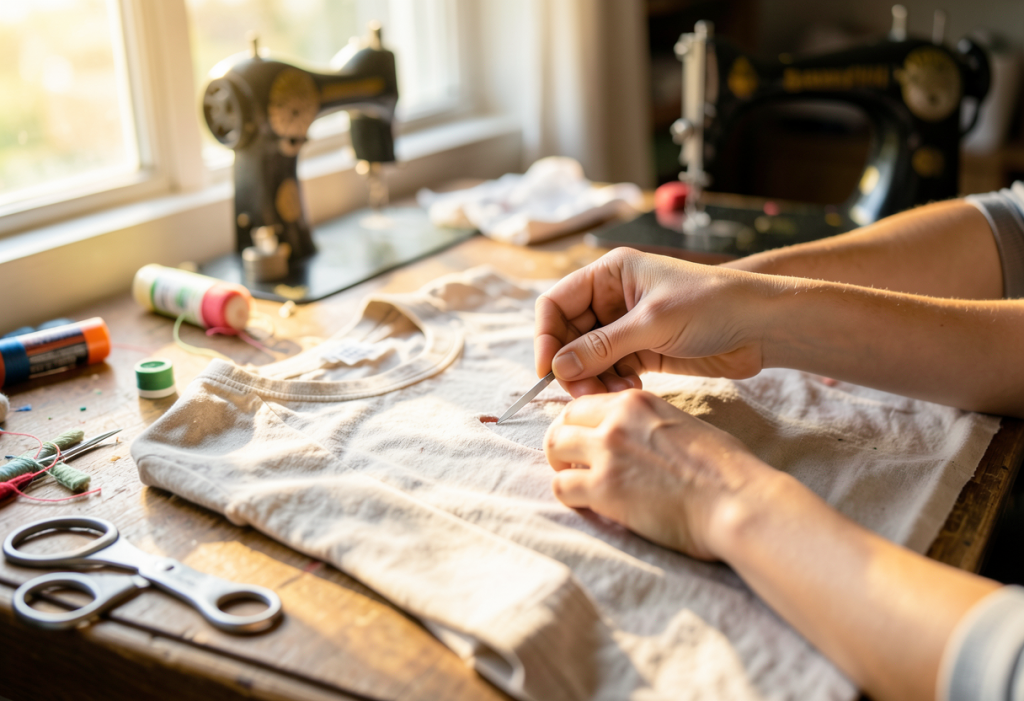
To begin upcycling t-shirts, you’ll need basic sewing supplies like scissors, needles, thread, and a sewing machine. Additional materials such as fabric glue, decorative trims, and dyes can add creative flair to your projects. For no-sew options, fabric glue, safety pins, and iron-on patches are useful. Upcycled projects may also require measuring tapes, chalk for marking, and old buttons or zippers for embellishment. Many of these supplies can be found in your home or purchased affordably at craft stores.
If you’re looking for more detailed guidance, check out How to Upcycle T-Shirts: The Ultimate DIY Guide for a comprehensive list of tools and materials. For simple craft ideas, T Shirt Upcycling: Simple Crafts for Vintage Tees offers step-by-step instructions for vintage tee transformations. Advanced techniques, like dyeing or printing, require additional supplies such as fabric dyes, stencils, and screens, but these can be sourced at low cost from online retailers or thrift stores.
For those interested in expanding their upcycling repertoire, consider investing in a fabric cutter for precision or a heat press for transferring designs. These tools can elevate your projects but are not essential for beginners. Start with the basics and gradually incorporate more specialized equipment as your skills develop.
How can I turn an old t-shirt into a trendy top?
Transforming an old t-shirt into a stylish top involves cutting and re-sewing the fabric to create a new silhouette. One popular method is the off-the-shoulder cut, which involves cutting the neckline wider and sewing the sleeves into a raglan style. Another option is the crop top, achieved by cutting the bottom hem and hemming the new edge. For a boho look, try a tie-front top by cutting fringe along the hem and tying the ends together. These transformations require minimal sewing skills and can be completed with basic supplies.
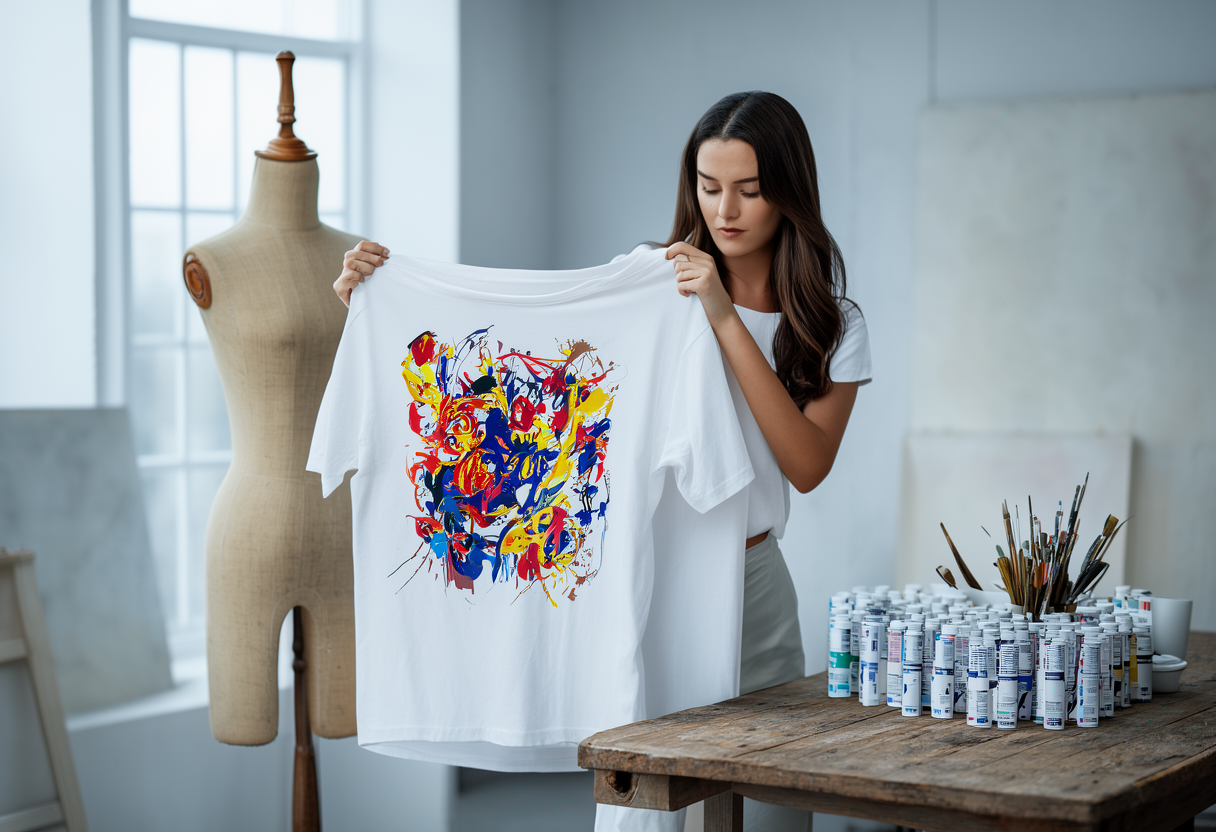
If you prefer a no-sew approach, use fabric glue to secure hems or apply iron-on patches for decoration. For more intricate designs, explore dyeing techniques or add embroidery for a personalized touch. Detailed instructions and inspiration can be found in Upcycling a Shirt: From Plain to Personalized, which provides step-by-step tutorials for various transformations.
Experiment with different cutting techniques to create unique designs. For example, cutting the sleeves into strips and tying them can create a ruffled effect. Alternatively, cutting the back of the t-shirt into a deep V or square neckline can add a modern twist. The key is to be creative and not afraid to try new things.
What are some creative upcycling projects for t-shirts?
Upcycled t-shirts can be turned into a variety of trendy accessories and home decor items. For example, you can create a tote bag by cutting off the sleeves and neckline, then sewing the bottom edges together. Another idea is to make a headband by cutting strips of fabric and braiding them. Old t-shirts can also be transformed into rag rugs by cutting them into strips and weaving or braiding the fabric. These projects are not only practical but also reduce waste by giving old clothing a new purpose.
For more project ideas, visit T Shirt Upcycling Ideas: 5 Easy Projects for Beginners, which includes easy DIY projects for beginners. If you’re looking for creative ways to reuse old tees beyond clothing, Upcycling T-Shirt Ideas: Creative Ways to Reuse Old Tees offers a range of innovative ideas, from pillow covers to wall art. These projects are a great way to experiment with different techniques and materials while minimizing environmental impact.
Consider transforming t-shirts into quirky home decor items like coasters, pot holders, or even Christmas ornaments. By cutting the fabric into desired shapes and securing the edges with glue or stitching, you can create unique decorative pieces. These projects are perfect for gift-giving or personalizing your living space with a touch of creativity.
How do I ensure my upcycled t-shirt project lasts?
To ensure the longevity of your upcycled t-shirt projects, use high-quality materials and secure stitches. Pre-wash the fabric to prevent shrinking and use a strong thread for sewing. For no-sew projects, choose a fabric glue that is flexible and washable to maintain the integrity of the design. Additionally, follow care instructions for the new item, such as washing inside out or air drying to preserve the fabric. Proper storage, like folding instead of hanging, can also prevent stretching or deformation.
If you need quick hacks for better fit and style, Upcycling T Shirt: Quick Hacks for Better Fit & Style provides practical tips for adjusting and enhancing your upcycled creations. For more detailed guidance on ensuring durability, refer to How to Upcycle T-Shirts: The Ultimate DIY Guide, which includes tips for reinforcing seams and selecting the right materials for different projects. By taking these steps, you can create upcycled items that are both stylish and long-lasting.
Regular maintenance is crucial for extending the life of your upcycled projects. Inspect the items periodically for signs of wear and tear, and repair any issues promptly. For example, reinforce loose seams with extra stitching or replace worn-out fabric glue with a fresh application. Proper care and maintenance will ensure your upcycled creations remain in good condition for years to come.
How can upcycling t-shirts contribute to a sustainable lifestyle?
Upcycling t-shirts contributes to a sustainable lifestyle by reducing textile waste and conserving resources. By repurposing old clothing, you minimize the need for new textiles, which in turn reduces water usage, energy consumption, and carbon emissions associated with textile production. This practice supports the principles of a circular economy, where materials are kept in use for as long as possible, reducing the burden on landfills and the environment.
Adopting upcycling as a regular practice encourages mindful consumption and a shift away from fast fashion. It promotes a culture of reuse and creativity, inspiring others to think critically about their purchasing habits and the environmental impact of their choices. By sharing your upcycled creations with others, you can raise awareness about the benefits of sustainable living and inspire a broader movement towards environmental responsibility.
Integrating upcycling into your daily routine can also lead to a more mindful and intentional lifestyle. It encourages you to value the items you own, appreciate their craftsmanship, and find new uses for them rather than discarding them. This shift in perspective can extend beyond clothing to other aspects of your life, fostering a greater commitment to sustainability and reducing waste in all areas.
Upcycling a t-shirt is like giving it a second life with a new purpose. Instead of throwing away an old tee, you can turn it into something useful and stylish, such as a trendy top, a tote bag, or even a headband. By using basic supplies and a bit of creativity, you can transform old clothing into unique items that reduce waste and save resources.
What are the benefits of upcycling t-shirts?
Upcycling t-shirts offers numerous environmental benefits, including reducing landfill waste and conserving resources. By repurposing old clothing, you decrease the demand for new textiles, which in turn reduces water usage, energy consumption, and carbon emissions associated with textile production. Additionally, upcycling promotes a circular economy by extending the life cycle of materials and encouraging sustainable practices.
For individuals, upcycling provides an opportunity to express creativity and personalize clothing. It is also a cost-effective way to update your wardrobe without purchasing new items. The process can be therapeutic and rewarding, as it allows you to transform something old into something new and unique.
Upcycling can also have social benefits, fostering a sense of community and connection. Sharing your upcycled creations with friends and family or participating in upcycling workshops can inspire others to adopt sustainable practices. This collective effort can lead to a broader cultural shift towards environmental responsibility and mindful consumption.
- Choose a t-shirt that is in good condition but no longer worn.
- Decide on the type of project you want to create, such as a top, bag, or accessory.
- Gather the necessary supplies, including scissors, thread, and any decorative materials.
- Follow a step-by-step guide or tutorial to transform the t-shirt into your desired item.
- Ensure the finished project is secure and durable by reinforcing seams and following care instructions.
Start small with a simple project like a crop top or headband, then gradually take on more complex upcycling challenges as your skills improve. Each project contributes to a more sustainable lifestyle and reduces your environmental footprint. By embracing upcycling, you can turn old t-shirts into trendy, functional items while making a positive impact on the planet.
Frequently asked questions
What is t-shirt upcycling?
T-shirt upcycling is the process of creatively repurposing old or unwanted t-shirts into new, fashionable items. This can include turning them into tote bags, crop tops, or patchwork designs. Upcycling reduces waste and gives your wardrobe a unique, personalized touch.
What tools do I need for t-shirt upcycling?
Basic tools include scissors, needles and thread, or a sewing machine. Fabric glue, pins, and measuring tape are also useful. For no-sew projects, fabric glue or iron-on hem tape works well. Creativity is key, so don’t be afraid to experiment with different techniques.
How can I turn an old t-shirt into a tote bag?
Cut off the sleeves and neckline of the t-shirt. Turn it inside out and sew or glue the bottom hem to create the base of the bag. For handles, cut strips from the sleeves and attach them to the top of the bag. This simple project takes minimal time and effort.
What are some easy no-sew upcycling ideas for t-shirts?
Create a headband by cutting a strip from the hem and tying it around your head. Make a scrunchie by rolling the fabric and securing it with glue. For a trendy bracelet, cut a thin strip and tie it around your wrist. These projects require no sewing skills and are perfect for beginners.