
Editorial Team · on 14 June 2026 · 6 min read · Last reviewed 14 June 2026
Upcycling is the process of transforming discarded or unused furniture into new, higher-quality pieces with aesthetic or functional value.
Key facts
- Upcycling reduces landfill waste by repurposing old furniture.
- The global upcycling market is projected to reach $71.4 billion by 2026.
- Common materials for upcycling include wood, metal, glass, and plastic.
- Upcycling can increase the value of furniture by up to 50% or more.
Where can I find furniture for upcycling?
To find suitable furniture for upcycling, explore local thrift stores, garage sales, and online marketplaces like Facebook Marketplace or Craigslist. Many communities also host annual rummage sales or estate sales where you can find hidden gems at low prices. Additionally, check with friends and family who may be looking to declutter their homes. Remember to inspect each piece carefully for structural integrity and potential repair needs before purchasing.
For a more consistent supply of upcycling material, consider partnering with local businesses or organizations that discard furniture regularly, such as hotels, offices, or schools. Building relationships with these entities can provide a steady stream of inventory for your upcycling projects. Always ensure you have permission to take the items and transport them safely to your workspace.
How do I select the best furniture for upcycling?
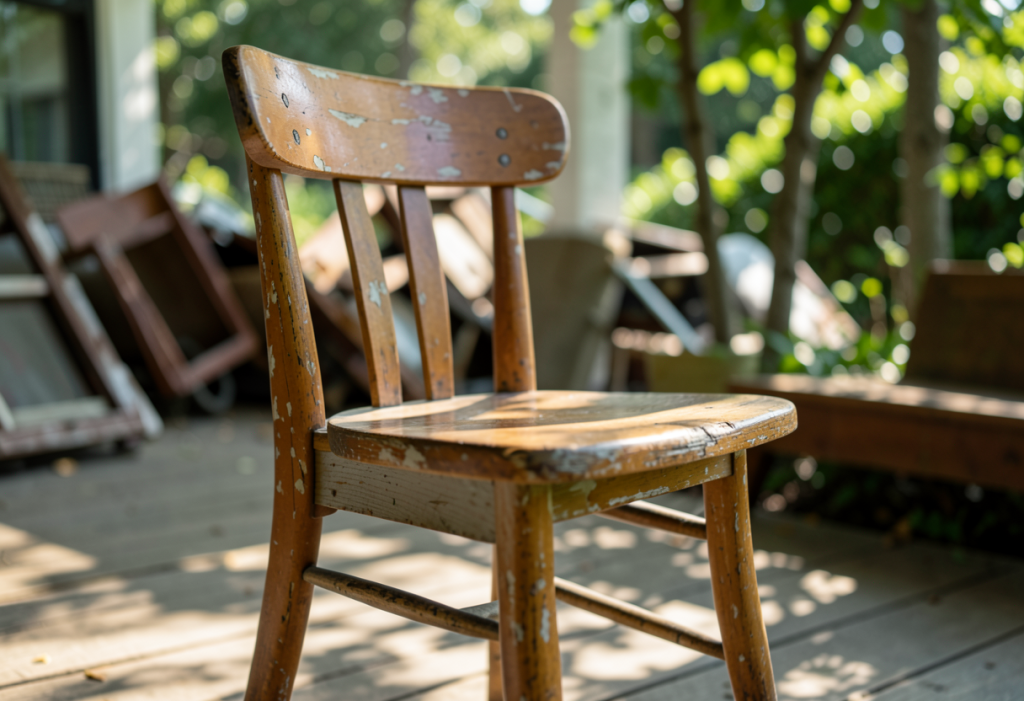
When selecting furniture for upcycling, prioritize pieces with solid construction and minimal damage. Look for items made from high-quality materials like hardwood, metal, or durable plastics, as these will withstand the transformation process better than flimsy or cheaply made alternatives. Assess the structural integrity of each piece, paying close attention to joints, legs, and surfaces for signs of wear or instability.
Consider the potential of each piece in terms of design and functionality. A simple, classic design can be more versatile for upcycling, allowing you to experiment with different styles and finishes. Additionally, evaluate the ease of disassembly and reassembly, as this can impact the overall cost and time required for the project. Keep in mind that some pieces may require specialized tools or techniques for proper restoration.
What tools and materials do I need for upcycling furniture?
Essential tools for upcycling furniture include a screwdriver set, hammer, pliers, sandpaper, and a putty knife for basic disassembly and surface preparation. For more advanced projects, invest in a power drill, orbital sander, and clamps to streamline the process and ensure professional results. Additionally, stock up on materials like wood glue, filler, primer, and paint or stain to address imperfections and create a polished finish.
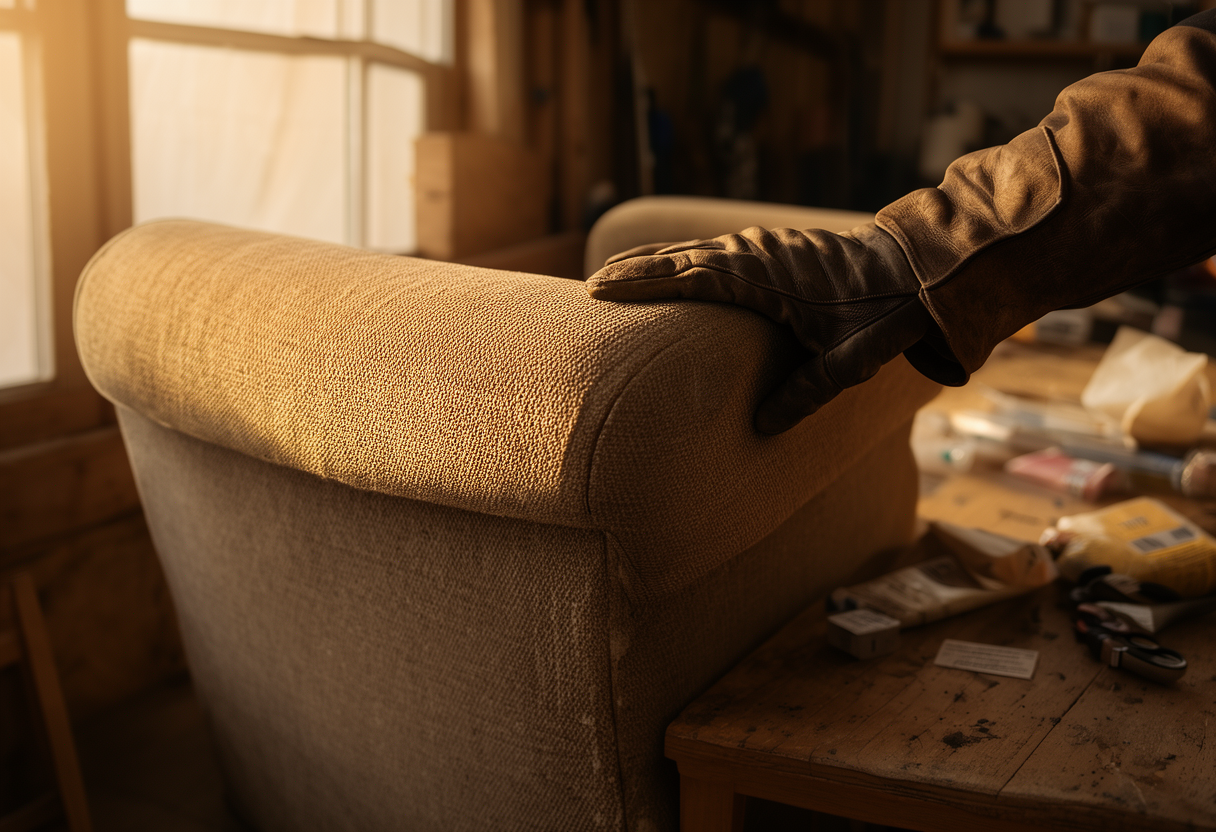
Safety equipment is crucial when upcycling furniture. Always wear protective gear such as gloves, goggles, and a dust mask to minimize exposure to harmful substances and debris. Proper ventilation is also essential, especially when working with paints, stains, or adhesives that may release fumes. Create a well-ventilated workspace or use a respirator to protect your health during the upcycling process.
Think of upcycling furniture like giving an old outfit a stylish makeover. You start with a basic piece that has good bones, like a solid jacket or a classic dress, and then add your personal touch with new accessories, dyes, or alterations to create something unique and fashionable. The goal is to transform the item into a higher-quality, more desirable piece that reflects your style and creativity.
How much does it cost to upcycle furniture?
The cost of upcycling furniture varies depending on the size, condition, and materials required for each project. On average, expect to spend between $50 and $200 on tools, materials, and the furniture piece itself. Basic projects, such as painting or reupholstering a small chair, can cost as little as $30 to $50, while more complex transformations, like refinishing a large dining table or building a new frame for a sofa, may require a larger investment of $150 to $300 or more.
To minimize costs, consider purchasing used or discounted tools and materials from thrift stores, online marketplaces, or local classifieds. Additionally, repurpose leftover materials from previous projects or scout for free furniture in your community to reduce expenses. Keep in mind that the time and effort invested in upcycling can significantly increase the perceived value of the final product, making it a worthwhile investment for both your wallet and the environment.
What are the best finishes for upcycled furniture?
Choosing the right finish for your upcycled furniture is essential for achieving a professional and durable result. Paint is a popular choice for its versatility and ability to cover imperfections, with options ranging from chalk paint and acrylics to latex and enamels. For a more natural look, consider using stains or varnishes to highlight the wood grain and enhance the piece’s character. Always apply a suitable primer and topcoat to ensure proper adhesion and protection against wear and tear.
Specialty finishes can add unique visual and tactile elements to your upcycled furniture. Techniques like distressing, crackling, or decoupage create rustic or vintage effects, while metallic paints or glazes can lend a modern or glamorous touch. Experiment with different finishes and textures to develop your signature style and make your upcycled pieces stand out. Remember to follow the manufacturer’s instructions for application and drying times to achieve the best results.
How can I sell upcycled furniture for a profit?
To sell upcycled furniture for a profit, start by researching your target market and local demand for handmade or sustainable home decor. Platforms like Etsy, eBay, and Facebook Marketplace offer excellent opportunities to reach a global audience, while local craft fairs, flea markets, and consignment shops can help you connect with customers in your community. Pricing your pieces competitively is crucial for attracting buyers while ensuring a fair return on your investment.
Showcase your upcycled furniture with high-quality photographs and detailed descriptions that highlight the unique features, materials, and craftsmanship of each piece. Share the story behind your creations, including the inspiration, techniques, and challenges overcome during the upcycling process, to build an emotional connection with potential buyers. Offer excellent customer service, prompt communication, and secure packaging to ensure a positive shopping experience and encourage repeat business.
To maximize your success in upcycling furniture, follow these steps:
- Research and plan your projects carefully, considering factors like market demand, materials, and costs.
- Source high-quality furniture pieces with good bones and minimal damage for the best results.
- Invest in essential tools and materials, and prioritize safety equipment to protect your health.
- Experiment with different finishes and techniques to develop your unique style and signature.
- Price your upcycled furniture competitively, considering the time, effort, and materials invested in each piece.
- Showcase your creations with high-quality photographs and detailed descriptions that highlight their unique features.
- Offer excellent customer service and secure packaging to ensure a positive shopping experience for your buyers.
Focus on creating high-quality, unique pieces that showcase your craftsmanship and attention to detail. By catering to your target market’s preferences and staying up-to-date with the latest trends in sustainable home decor, you can build a successful business and make a meaningful impact on the environment.
Frequently asked questions
Where can I find quality furniture for upcycling?
Local thrift stores, garage sales, and online marketplaces like Facebook Marketplace or Craigslist are excellent sources. Look for solid wood pieces with minimal structural damage, as they are easier to refinish. Avoid particleboard, as it doesn’t hold up well to repurposing. Check community bulletin boards for free furniture giveaways too.
What types of wood are best for upcycling?
Hardwoods like oak, maple, and cherry are ideal due to their durability and ability to take stains well. Pine is softer but still works for painted finishes. Avoid veneered or laminated surfaces, as they peel easily. Test the wood by scratching it lightly; real wood won’t flake like synthetic materials.
How do I assess the condition of used furniture?
Inspect for structural integrity first—check joints, legs, and surfaces for cracks or wobbling. Surface imperfections like scratches or stains are easy to fix. Avoid pieces with mold, severe water damage, or termite holes, as these require extensive repairs. Look for furniture that’s fundamentally sound but cosmetically outdated.
What tools are essential for furniture upcycling?
Basic tools include a sander, paintbrushes, screwdrivers, and a staple remover. For refinishing, sandpaper in various grits and wood stain or paint are musts. A power drill helps with reassembly. For advanced projects, consider a router or jigsaw. Start with a well-stocked toolkit and expand as you gain experience.