Editorial Team · on 14 June 2026 · 7 min read · Last reviewed 14 June 2026
Upcycling is the process of transforming old, unused, or unwanted clothing into new, high-quality garments or accessories, reducing textile waste and promoting sustainability.
Key facts
- Upcycling can reduce textile waste by repurposing old clothes instead of discarding them.
- Approximately 85% of textiles end up in landfills, highlighting the need for sustainable practices like upcycling.
- Upcycling requires basic sewing skills and creativity, making it accessible for beginners.
- Transforming old jeans into shorts, skirts, or tote bags are popular upcycling projects.
What are the benefits of upcycling clothes?
Upcycling clothes offers numerous advantages, both for the environment and for personal style. By upcycling, you actively participate in reducing textile waste, as the fashion industry is one of the largest polluters globally. The Environmental Protection Agency reports that Americans generate around 17 million tons of textile waste annually, with only 15% being recycled. Upcycling helps divert these materials from landfills and incinerators.
Additionally, upcycling allows for unique, one-of-a-kind pieces that reflect your personal style. Instead of buying new clothes, you can create customized garments that tell a story and have sentimental value. This practice also saves money, as you can breathe new life into old clothes without spending much on new materials. Furthermore, upcycling promotes creativity and can be a rewarding hobby or even a small business venture.
What basic supplies do I need to start upcycling clothes?
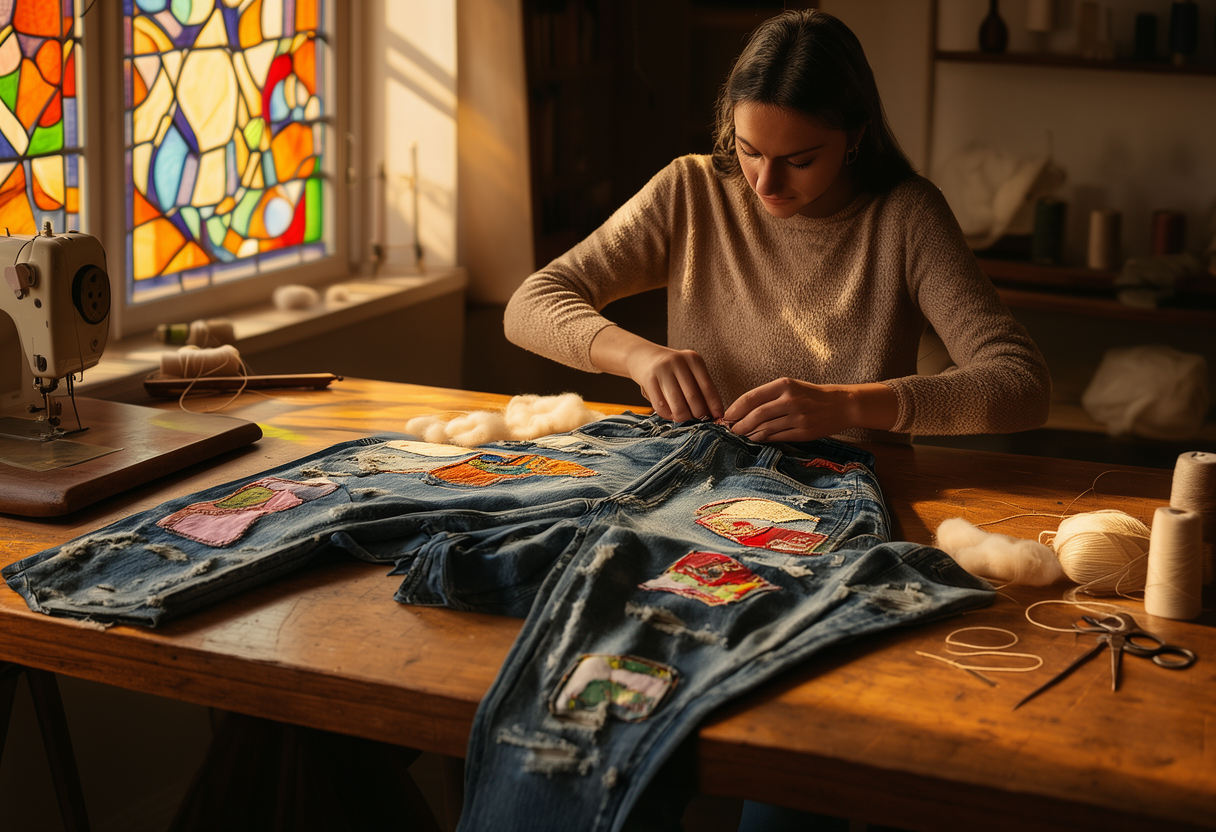
To begin upcycling clothes, you’ll need a few essential supplies. A basic sewing kit is a good starting point, including needles, threads, scissors, pins, and a seam ripper. Depending on the complexity of your projects, you might also need a sewing machine, though many upcycling projects can be done by hand.
Fabric glue, patches, and decorative elements like buttons, beads, or lace can add unique touches to your upcycled garments. For more advanced projects, consider investing in tools like a fabric cutter, iron, and measuring tape. These supplies are widely available at craft stores or online, making it easy to get started. Check out The Complete Guide to Upcycling Clothes for Beginners for a detailed list of tools and materials.
What are some easy upcycling ideas for clothes?
If you’re new to upcycling, starting with simple projects can build your confidence and skills. One popular idea is turning old t-shirts into tote bags. This involves cutting off the sleeves and neckline, then sewing the bottom hem to create a sturdy bag. Another easy project is transforming jeans into shorts or a skirt. You can cut and hem the legs to your desired length or create a denim skirt by cutting along the side seams and adding a waistband.
For a more decorative approach, consider adding patches or embroidery to plain clothing. This can personalize old garments and give them a fresh look. You can also upcycle fabric scraps into accessories like headbands, scrunchies, or even small pouches. These projects require minimal sewing skills and can be completed in a few hours. For more beginner-friendly ideas, explore Easy Upcycling Clothes Ideas You Can Try This Weekend.
How can I upcycle clothes without sewing?
Upcycling clothes doesn’t always require sewing. There are numerous no-sew projects that can transform old garments using fabric glue, safety pins, or other creative techniques. For example, you can turn an old sweatshirt into a cozy pillow by cutting off the sleeves and neckline, then stuffing it with filling material. Another no-sew idea is creating a denim apron from old jeans by cutting and tying the legs to form straps.
Fabric paint and markers are excellent tools for adding designs to plain clothing. You can create custom patterns, quotes, or artwork on t-shirts, jeans, or even jackets. Additionally, using fabric glue, you can attach patches, lace, or other decorative elements to enhance the look of your garments. These no-sew methods make upcycling accessible to everyone, regardless of sewing skills.
What are some advanced upcycling techniques for clothes?
For those with more experience, advanced upcycling techniques can produce stunning, high-quality garments. Techniques like appliqué, quilting, and fabric dyeing can add intricate details and unique textures to your projects. Appliqué involves attaching pieces of fabric to a larger piece to create designs or patterns, while quilting layers fabric together for added thickness and warmth.
Fabric dyeing allows you to change the color of old clothes, giving them a fresh, vibrant look. You can use natural dyes made from plants or opt for commercial fabric dyes. Another advanced technique is upcycling multiple garments into a single piece, such as creating a patchwork jacket from various fabric scraps. These techniques require more skill and practice but result in truly unique and sustainable fashion pieces. For more advanced methods, refer to Upcycling Clothing: Creative Techniques for Sustainable Fashion.
Think of upcycling clothes like giving your old garments a makeover. Just as you might update your hairstyle or redecorate a room, you can transform old clothes into something new and fashionable. With a few basic supplies and some creativity, you can turn unused items into trendy, personalized pieces that reduce waste and save money.
What are some common mistakes to avoid when upcycling clothes?
Upcycling clothes can be a rewarding experience, but there are some common mistakes to avoid. One frequent error is not properly measuring and marking fabric before cutting. This can lead to uneven cuts and poorly fitting garments. Always use a measuring tape and fabric markers to ensure accuracy. Another mistake is using the wrong type of thread or needle for the fabric. Different fabrics require specific needles and threads to prevent damage or weak seams.
Additionally, neglecting to pre-wash fabrics can cause shrinkage or color bleeding after the project is completed. Always pre-wash and dry fabrics before starting your upcycling project. Lastly, rushing through the process can result in shoddy workmanship. Take your time to ensure each step is done carefully and correctly. For more tips on avoiding common pitfalls, visit Clothing Upcycling: How to Give Old Garments a Second Life.
How can I sell upcycled clothes?
If you enjoy upcycling clothes and want to turn your hobby into a business, there are several platforms where you can sell your creations. Online marketplaces like Etsy, eBay, and Depop are popular choices for selling handmade and upcycled items. These platforms allow you to reach a global audience and showcase your unique designs. Social media platforms like Instagram and Facebook can also be used to promote and sell your upcycled clothes.
To succeed in selling upcycled clothes, focus on high-quality photography and detailed descriptions. Highlight the sustainability aspect of your products and tell the story behind each piece. Pricing your items competitively and offering excellent customer service can also help build a loyal customer base. Additionally, consider participating in local craft fairs or pop-up markets to reach a wider audience and network with other artisans.
Comparison of Upcycling Techniques
Cost Comparison of Upcycling vs. Buying New
How do I care for upcycled clothes?
Proper care is essential to ensure the longevity of your upcycled clothes. Always follow the care instructions for the original fabric, as different materials require specific cleaning methods. For example, delicate fabrics like silk or lace should be hand-washed or dry-cleaned, while denim and cotton can usually be machine-washed. Avoid using harsh detergents or bleach, as these can damage the fabric and cause colors to fade.
When ironing, use the appropriate heat setting for the fabric to prevent burns or melting. Store your upcycled clothes in a cool, dry place to avoid moisture damage. Hanging garments on padded hangers can help maintain their shape and prevent wrinkles. Regularly inspect your upcycled items for signs of wear and tear, and make necessary repairs to extend their lifespan.
Steps to Start Your Upcycling Journey
- Gather basic supplies like needles, threads, scissors, and fabric glue.
- Sort through your wardrobe and identify clothes that can be upcycled.
- Choose a simple project to build your confidence and skills.
- Follow tutorials and guides for step-by-step instructions.
- Experiment with different techniques and materials to find your style.
- Share your creations with friends or online communities for feedback and inspiration.
Upcycling clothes is a creative and sustainable way to reduce textile waste and express your personal style. By transforming old garments into new, unique pieces, you can save money, minimize environmental impact, and enjoy the satisfaction of creating something truly one-of-a-kind. Start with simple projects, gather the necessary supplies, and let your imagination guide you on this rewarding journey. For more inspiration and detailed guides, explore Clothes Upcycling Ideas: Transform Your Wardrobe Sustainably and Ideas for Upcycling Clothes: 10 Budget-Friendly Makeovers. Get started today and make a difference, one stitch at a time.
Frequently asked questions
What is upcycling and how does it differ from recycling?
Upcycling transforms old or unused items into new products of higher quality or value. Unlike recycling, which often breaks down materials, upcycling repurposes them creatively. For clothes, this means turning a worn-out t-shirt into a tote bag or patching jeans to extend their life.
What basic tools do I need for upcycling clothes?
You’ll need scissors, needles and thread, a sewing machine (optional), fabric glue, and basic sewing supplies. A hot glue gun can also be useful for quick fixes. For more complex projects, consider a pattern or design template to guide your cuts and stitches.
How can I upcycle old jeans into something new?
Cut the legs into shorts or a skirt. Turn the denim into a tote bag by sewing the legs shut and adding straps. You can also cut and fray the edges for a distressed look or use patches to create a unique design. Old jeans are durable and versatile for upcycling.
What are some easy upcycling projects for beginners?
Start with simple projects like turning a t-shirt into a tank top by cutting the sleeves and neckline. Transform old socks into mittens or pet toys. Use fabric scraps to make a quilt or pillow covers. These projects require minimal sewing skills and basic tools, making them perfect for beginners.