
Editorial Team · on 14 June 2026 · 8 min read · Last reviewed 14 June 2026
Upcycling is the process of transforming discarded or unwanted clothing and textiles into new, higher-quality products, reducing textile waste and promoting sustainable fashion.
Key facts
- Upcycling can reduce textile waste by repurposing old garments instead of discarding them.
- Over 100 billion garments are produced annually, contributing to significant textile waste.
- Upcycling requires creativity and basic sewing skills, but many techniques are beginner-friendly.
- The global upcycling market is projected to reach $70.6 billion by 2026.
What are the most common upcycling techniques?
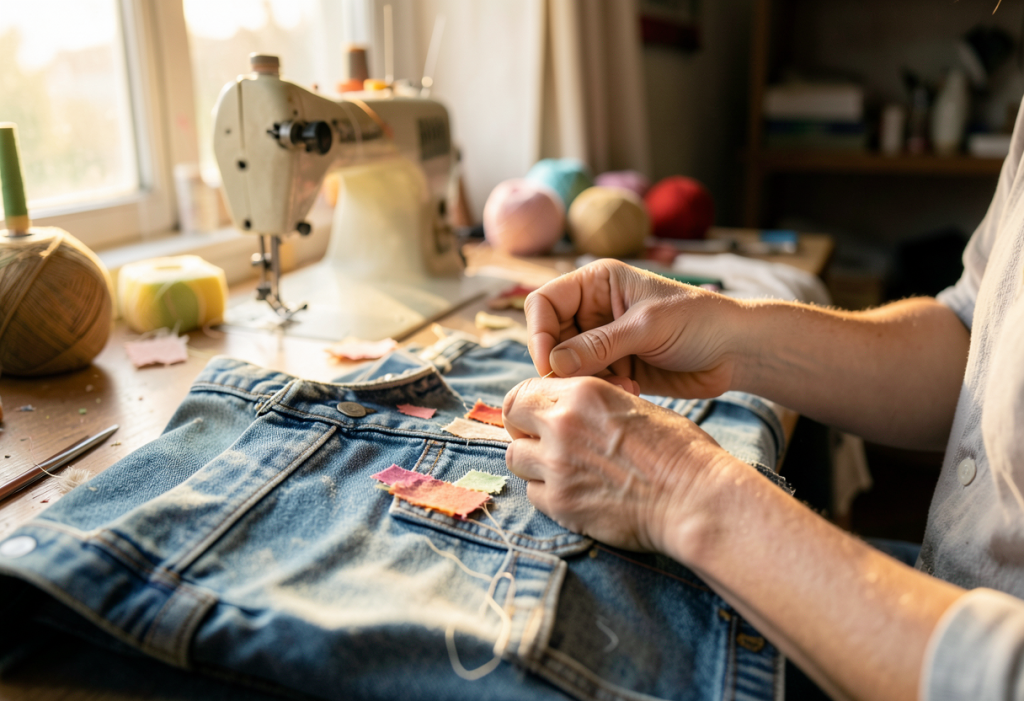
Upcycling techniques vary widely, but some of the most popular include patchwork, appliqué, embroidery, and dyeing. Patchwork involves sewing together pieces of fabric to create a new garment or accessory. Appliqué, on the other hand, involves attaching smaller pieces of fabric onto a larger piece to create designs or patterns. Embroidery adds decorative elements to clothing, while dyeing allows you to change the color of old garments.
Other techniques include distressing, which gives clothes a worn-in look, and adding embellishments like beads, sequins, or buttons. Upcycling can also involve altering the fit of a garment, such as turning a dress into a top or adding sleeves to a sleeveless shirt. The possibilities are endless, and the best technique for you will depend on your skills, tools, and creativity.
What tools and materials do I need to start upcycling?
The tools and materials you need for upcycling depend on the techniques you want to try. Basic tools include scissors, needles, thread, and a sewing machine. For patchwork, you may need fabric glue, pins, and a measuring tape. Appliqué requires fabric scraps, a fabric marker, and an iron. Embroidery calls for embroidery floss, embroidery hoops, and embroidery needles.
Dyeing requires fabric dye, a dyeing kit, and a large container for soaking the garments. Distressing may require sandpaper, a razor, or scissors. When it comes to materials, you can use old clothes, fabric scraps, or even thrift store finds. The key is to experiment with different materials and techniques to find what works best for you.
How do I get started with upcycling clothes?
Getting started with upcycling clothes is easier than you might think. Begin by gathering old clothes, fabric scraps, or thrift store finds. Sort them into categories based on the type of fabric, color, and condition. Next, decide what you want to create. You can find inspiration online, in magazines, or by looking at what you already have in your wardrobe.
Once you have an idea, gather the necessary tools and materials. Start with simple techniques like patchwork or appliqué. As you gain confidence, try more complex techniques like embroidery or dyeing. Don’t be afraid to experiment and make mistakes. Upcycling is all about creativity and sustainability, so have fun and enjoy the process.
How can I make money from upcycling clothes?
If you’re skilled at upcycling, you can turn your hobby into a profitable business. One way to make money is by selling your upcycled creations online. Platforms like Etsy, eBay, and Instagram are great places to showcase and sell your work. You can also sell your creations at local craft fairs, markets, or pop-up shops.
Another way to make money from upcycling is by offering upcycling workshops or classes. Share your skills with others and charge a fee for your time and expertise. You can also offer custom upcycling services, where customers bring in their old clothes and you transform them into something new and unique.
How does upcycling contribute to sustainable fashion?
Upcycling plays a crucial role in promoting sustainable fashion. By repurposing old clothes and textiles, upcycling reduces textile waste and minimizes the need for new resources. The fashion industry is one of the largest polluters in the world, and upcycling offers a way to combat this by giving old clothes a second life.
Upcycling also encourages a slower, more mindful approach to fashion. Instead of buying fast fashion, which is often cheaply made and quickly discarded, upcycling promotes the creation of unique, high-quality pieces that are made to last. This shift in mindset can help reduce the demand for fast fashion and promote a more sustainable fashion industry.
What are some easy upcycling projects for beginners?
If you’re new to upcycling, it’s best to start with simple projects that require minimal tools and materials. One easy project is turning an old t-shirt into a tote bag. All you need is a pair of scissors and a needle and thread. Another simple project is turning jeans into shorts. All you need is a pair of scissors and a measuring tape.
You can also try adding embellishments to old clothes, like beads, sequins, or buttons. This is a great way to add a personal touch to your wardrobe without requiring any sewing skills. Other easy projects include turning a dress into a top, adding sleeves to a sleeveless shirt, or creating a patchwork skirt.
Think of upcycling like giving your old clothes a makeover. Just as you would update your hairstyle or makeup to give yourself a fresh look, you can transform your old clothes into something new and stylish. With a little creativity and some basic tools, you can breathe new life into your wardrobe and reduce textile waste.
What are some advanced upcycling techniques?
Once you’ve mastered the basics of upcycling, you can move on to more advanced techniques. One advanced technique is quilting, which involves sewing together layers of fabric to create a thick, padded material. Quilting can be used to create coats, jackets, or even home decor items like pillows or blankets.
Another advanced technique is tailoring. Tailoring involves altering the fit of a garment to make it more flattering or comfortable. This can involve taking in seams, adding darts, or adjusting the hem. Tailoring requires a good eye for detail and a steady hand, but the results can be stunning.
Other advanced techniques include weaving, knitting, and crocheting. These techniques can be used to create new fabrics or to add texture and dimension to existing garments. They require more specialized tools and materials, but the results can be truly unique and beautiful.
Comparison of Upcycling Techniques
How do I care for upcycled clothes?
Caring for upcycled clothes is similar to caring for any other type of clothing. Always follow the care instructions on the label, and wash your clothes in cold water to preserve the fabric. Avoid using harsh detergents or bleach, as these can damage the fabric and cause it to fade or shrink.
When drying your upcycled clothes, avoid using high heat, as this can cause the fabric to shrink or warp. Instead, hang your clothes to dry or use a low heat setting on your dryer. Ironing can also help preserve the shape and texture of your upcycled clothes, but be sure to use the appropriate heat setting for the type of fabric.
Storing your upcycled clothes properly can also help extend their lifespan. Avoid hanging clothes in direct sunlight, as this can cause the fabric to fade or weaken. Instead, store your clothes in a cool, dry place, and use padded hangers to prevent stretching or creasing.
Steps to Care for Upcycled Clothes
- Follow the care instructions on the label.
- Wash clothes in cold water using a mild detergent.
- Avoid using harsh detergents or bleach.
- Dry clothes using low heat or hang them to dry.
- Iron clothes using the appropriate heat setting.
- Store clothes in a cool, dry place away from direct sunlight.
- Use padded hangers to prevent stretching or creasing.
What are some upcycling trends to watch in 2023?
Upcycling is a constantly evolving field, and there are always new trends and techniques to explore. One trend to watch in 2023 is the use of upcycled fabrics in high fashion. More and more designers are incorporating upcycled fabrics into their collections, and this trend is expected to continue growing in popularity.
Another trend to watch is the use of upcycling in home decor. Upcycled furniture, textiles, and decor items are becoming increasingly popular, as people look for ways to reduce waste and create unique, sustainable spaces. You can find inspiration for upcycling home decor items on Pinterest or Instagram.
Finally, expect to see more upcycling workshops and classes in 2023. As people become more interested in sustainable fashion and upcycling, there is a growing demand for education and training in these areas. Whether you’re a beginner or an experienced upcycler, there are plenty of opportunities to learn and grow in this exciting field.
Upcycling vs. Recycling: What’s the Difference?
Start your upcycling journey today by gathering old clothes and experimenting with different techniques. With a little creativity and practice, you can transform your wardrobe and contribute to a more sustainable fashion industry. For more inspiration and guidance, check out our complete guide to upcycling clothes for beginners at The Complete Guide to Upcycling Clothes for Beginners.
Frequently asked questions
What is upcycling clothing and how does it differ from recycling?
Upcycling transforms old or unwanted clothing into new, higher-quality items. Unlike recycling, which breaks down materials into raw fibers, upcycling repurposes existing fabrics without degrading them. For example, turning an old denim jacket into a stylish bag or a vintage dress into a modern top.
What are some easy upcycling techniques for beginners?
Start with simple projects like turning a large shirt into a crop top by cutting off excess fabric. Another easy technique is adding patches or embroidery to mend or decorate worn-out clothes. Fabric painting and dyeing are also great ways to refresh old garments.
How can I ensure my upcycled clothing is durable and long-lasting?
Use strong, high-quality thread and needles suitable for the fabric type. Reinforce seams and stress points. Choose projects that match your skill level. For example, beginners should start with lightweight fabrics like cotton before moving to heavier materials like denim.
Where can I find inspiration and tutorials for upcycling clothing?
Online platforms like YouTube, Pinterest, and Instagram offer a wealth of tutorials and ideas. Many sustainable fashion blogs and books provide step-by-step guides. Local workshops and community centers often host upcycling classes. Explore thrift stores for unique pieces to upcycle.