
Editorial Team · on 14 June 2026 · 8 min read · Last reviewed 14 June 2026
Upcycling is the process of transforming discarded or unwanted clothing into new, higher-quality garments or accessories, reducing textile waste and promoting sustainability.
Key facts
- Upcycling can reduce textile waste by giving old garments a new purpose.
- It often requires minimal sewing skills and basic tools like scissors, needles, and thread.
- Common upcycling techniques include patching, dyeing, and cutting to create new designs.
- Upcycling can save money while encouraging creativity and personalization in fashion.
What is the difference between upcycling and recycling clothes?
Upcycling and recycling both aim to reduce textile waste, but they differ in their processes and outcomes. Upcycling involves creatively reusing old clothes to create new, often higher-quality items without breaking down the original materials. For example, turning an old pair of jeans into a denim bag is upcycling.
Recycling, on the other hand, typically involves breaking down old clothes into fibers to make new fabrics or other products. This process often results in lower-quality materials. Recycling can include mechanical recycling, where fibers are shredded and respun, or chemical recycling, where fibers are broken down into their chemical components and reassembled. Both methods require significant energy and resources, making upcycling a more eco-friendly alternative for many items.
The choice between upcycling and recycling depends on the condition of the clothing and the desired outcome. Upcycling is ideal for garments that are still wearable but no longer desired, while recycling is better suited for heavily worn or damaged items that cannot be reused.
What are some easy upcycling techniques for beginners?
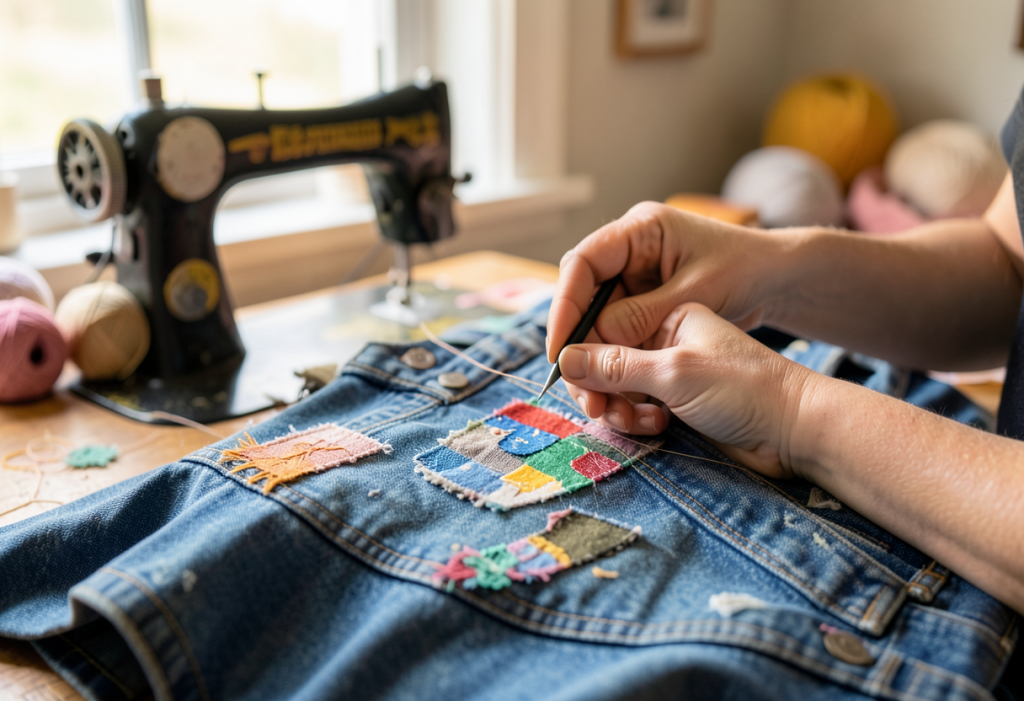
For beginners, starting with simple upcycling techniques can be an accessible way to transform old clothes. One of the easiest methods is patching, which involves covering worn or stained areas with fabric patches. This can be done using iron-on patches, hand-sewn patches, or even decorative appliqués. For instance, a t-shirt with a small hole can be revived by adding a colorful fabric patch over the damaged area.
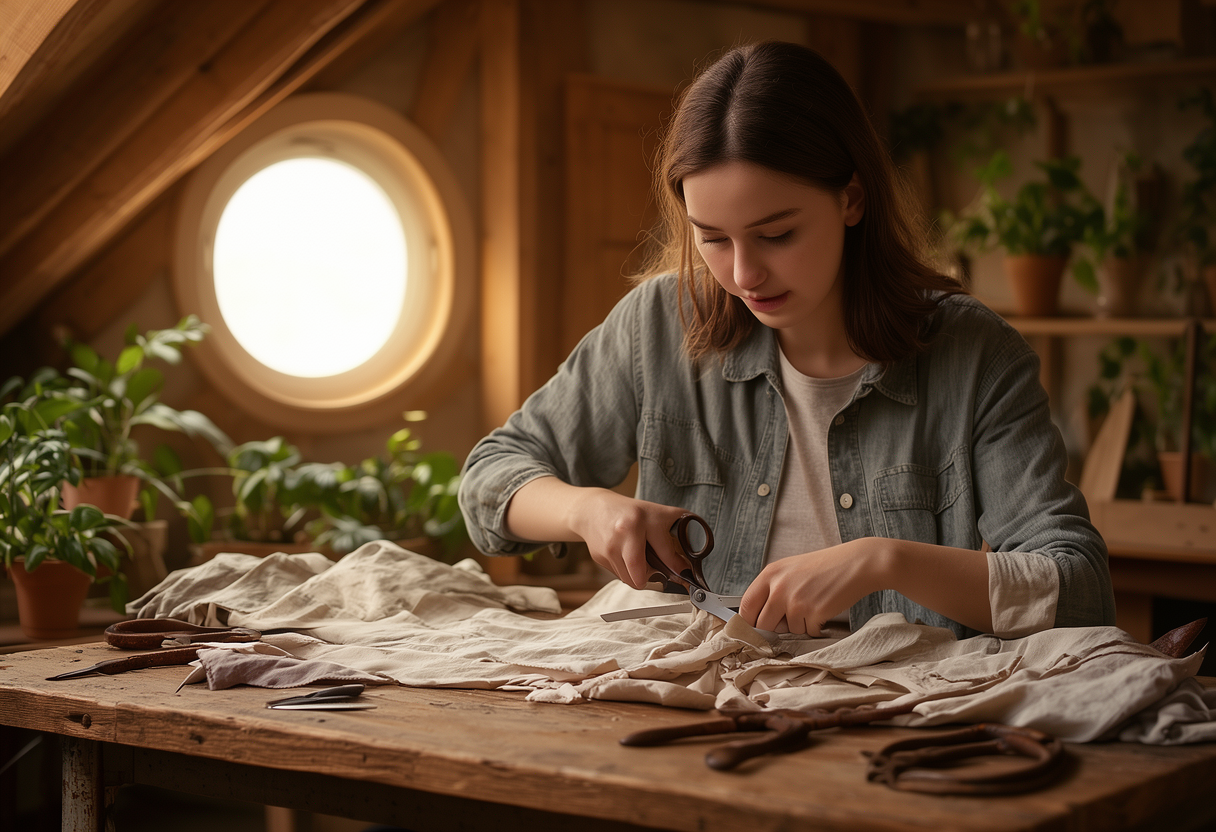
Another beginner-friendly technique is tie-dyeing, which uses fabric dye to create unique patterns on plain or faded garments. This method requires minimal sewing skills and can be done with basic supplies like rubber bands and dye kits. Tie-dyeing is particularly effective for revitalizing white or light-colored clothes. Additionally, cutting and re-sewing garments to create new styles, such as turning a long-sleeved shirt into a sleeveless top, is a simple way to upcycle without advanced sewing knowledge.
For those interested in more creative projects, upcycling old clothes into accessories like tote bags, scarves, or headbands can be both fun and practical. These projects often require basic sewing skills and can be completed with minimal tools. For example, turning an old pair of jeans into a denim tote bag involves cutting and sewing the fabric into a new shape. Beginners can explore these techniques to develop their skills and gain confidence in upcycling.
What tools and materials are needed for upcycling clothes?
Upcycling clothes typically requires a few basic tools and materials, many of which are likely already available at home. Essential tools include a pair of sharp scissors for cutting fabric, needles and thread for hand-sewing, and a sewing machine for more complex projects. Additionally, fabric glue or iron-on adhesive can be useful for attaching patches or embellishments without sewing.
For dyeing projects, fabric dyes, rubber bands, and a large container for soaking the garments are necessary. A steamer or iron can also be helpful for pressing fabric and removing wrinkles. Other useful materials include decorative elements like buttons, beads, or ribbons, which can add a personal touch to upcycled garments. These materials can often be found at craft stores or repurposed from old clothing items.
For those looking to expand their upcycling skills, investing in a few specialized tools can be beneficial. A rotary cutter and cutting mat can make fabric cutting easier and more precise, while a serger can help finish seams professionally. Additionally, a variety of fabric paints and markers can be used to add designs and patterns to garments. With the right tools and materials, upcycling can be a rewarding and creative way to reduce textile waste and refresh old clothes.
How can upcycling contribute to sustainable fashion?
Upcycling plays a significant role in promoting sustainable fashion by reducing the demand for new clothing and minimizing textile waste. The fashion industry is one of the largest contributors to environmental pollution, with millions of tons of clothes ending up in landfills each year. By upcycling old garments, individuals can help reduce this waste and extend the life cycle of their clothing.
Upcycling also encourages a shift away from fast fashion, which prioritizes cheap, disposable clothing. Fast fashion has a significant environmental impact, from resource depletion to pollution and greenhouse gas emissions. By upcycling, consumers can reduce their reliance on fast fashion and support a more sustainable approach to clothing. Additionally, upcycling can help reduce the carbon footprint associated with clothing production, as it requires fewer resources and energy compared to manufacturing new garments.
Moreover, upcycling fosters creativity and personalization in fashion, allowing individuals to express their unique style while reducing waste. This can lead to a greater appreciation for clothing and a more mindful approach to consumption. By embracing upcycling, consumers can contribute to a more sustainable fashion industry and make a positive impact on the environment.
Think of upcycling like giving your old clothes a makeover. Instead of throwing them away, you transform them into something new and useful, just like turning an old pair of jeans into a stylish denim bag.
What are some creative upcycling ideas for old clothes?
There are countless creative ways to upcycle old clothes, limited only by imagination. One popular idea is turning old t-shirts into reusable shopping bags. This involves cutting and sewing the fabric into a sturdy, eco-friendly bag. Similarly, old sweaters can be transformed into cozy scarves, hats, or even mittens by cutting and repurposing the fabric. These projects are relatively simple and require basic sewing skills.
For those with more advanced sewing skills, upcycling old jeans into denim jackets or skirts can be a rewarding project. This involves cutting and reshaping the fabric to create a new garment. Old dresses can also be upcycled into tops, skirts, or even accessories like headbands or belts. Additionally, upcycling old fabric into home decor items like pillows, quilts, or curtains can be a great way to reduce waste and add a personal touch to your living space.
For those looking for quick and easy upcycling ideas, turning old clothes into rags or cleaning cloths can be a practical solution. This involves cutting the fabric into smaller pieces and using them for cleaning purposes. Additionally, upcycling old fabric into tote bags, backpacks, or even pet accessories like bandanas or pet beds can be a fun and creative project. These ideas not only reduce textile waste but also encourage a more sustainable and mindful approach to fashion.
How can I get started with upcycling clothes?
Getting started with upcycling clothes is easier than you might think. Begin by sorting through your wardrobe and identifying items that are no longer worn but are still in good condition. These garments can be great candidates for upcycling projects. Next, gather the necessary tools and materials, such as scissors, needles, thread, and fabric dye, if needed. You can also explore online resources and tutorials for inspiration and guidance.
To gain confidence and skills, start with simple upcycling techniques like patching or tie-dyeing. These projects require minimal sewing skills and can be completed with basic tools. As you become more comfortable with upcycling, you can explore more advanced techniques and projects. Joining upcycling communities or forums can also provide valuable support and inspiration. Additionally, consider following upcycling bloggers or YouTubers for creative ideas and step-by-step tutorials.
Remember, upcycling is a creative process, and there are no strict rules. Experiment with different techniques and materials to find what works best for you. With practice and patience, you can develop your upcycling skills and contribute to a more sustainable fashion industry. For more detailed guidance, check out The Complete Guide to Upcycling Clothes for Beginners and explore creative techniques in Upcycling Clothing: Creative Techniques for Sustainable Fashion.
- Sort through your wardrobe and identify old garments that can be upcycled.
- Gather necessary tools and materials like scissors, needles, thread, and fabric dye.
- Start with simple upcycling techniques like patching or tie-dyeing.
- Explore online resources and tutorials for inspiration and guidance.
- Join upcycling communities or forums for support and ideas.
- Experiment with different techniques and materials to develop your skills.
Begin your upcycling journey by transforming old clothes into new, stylish pieces and contributing to a more sustainable fashion industry. For easy upcycling ideas you can try this weekend, visit Easy Upcycling Clothes Ideas You Can Try This Weekend.
Frequently asked questions
What is clothing upcycling?
Clothing upcycling transforms old or unwanted garments into new, higher-quality items. Unlike recycling, which breaks down materials, upcycling creatively repurposes fabric to extend its life. For example, turning an oversized shirt into a stylish tote bag or patching jeans with contrasting fabric.
Why should I upcycle my clothes?
Upcycling reduces textile waste, which is a major environmental issue. It also saves money and encourages creativity. Instead of discarding a worn-out sweater, you can unravel it for yarn or cut it into a headband. Small changes like these contribute to sustainability.
What tools do I need to start upcycling?
Basic tools include scissors, needles, thread, and a sewing machine if you have one. Fabric glue, buttons, and decorative patches can add flair. For beginners, simple projects like turning a T-shirt into a tank top require minimal tools and effort.
Can I upcycle clothes without sewing skills?
Yes. No-sew methods include using fabric glue, safety pins, or iron-on patches. For instance, you can turn a dress into a skirt by cutting and tying the hem. Upcycling is flexible and accessible, even for those with no sewing experience.