
Editorial Team · on 14 June 2026 · 9 min read · Last reviewed 14 June 2026
Upcycling is the process of transforming old or unwanted clothing into new, higher-quality items, reducing textile waste and promoting sustainability in fashion.
Key facts
- Over 92 million tons of textile waste are produced globally each year, with upcycling helping to divert a significant portion from landfills.
- Simple upcycling projects can turn old t-shirts into tote bags, jeans into shorts, or dresses into skirts.
- Upcycling clothes can save up to 70% of the energy and water typically used in clothing production.
- Popular upcycling techniques include cutting, sewing, painting, and dyeing, requiring minimal tools and skills.
What are the easiest upcycling projects for beginners?
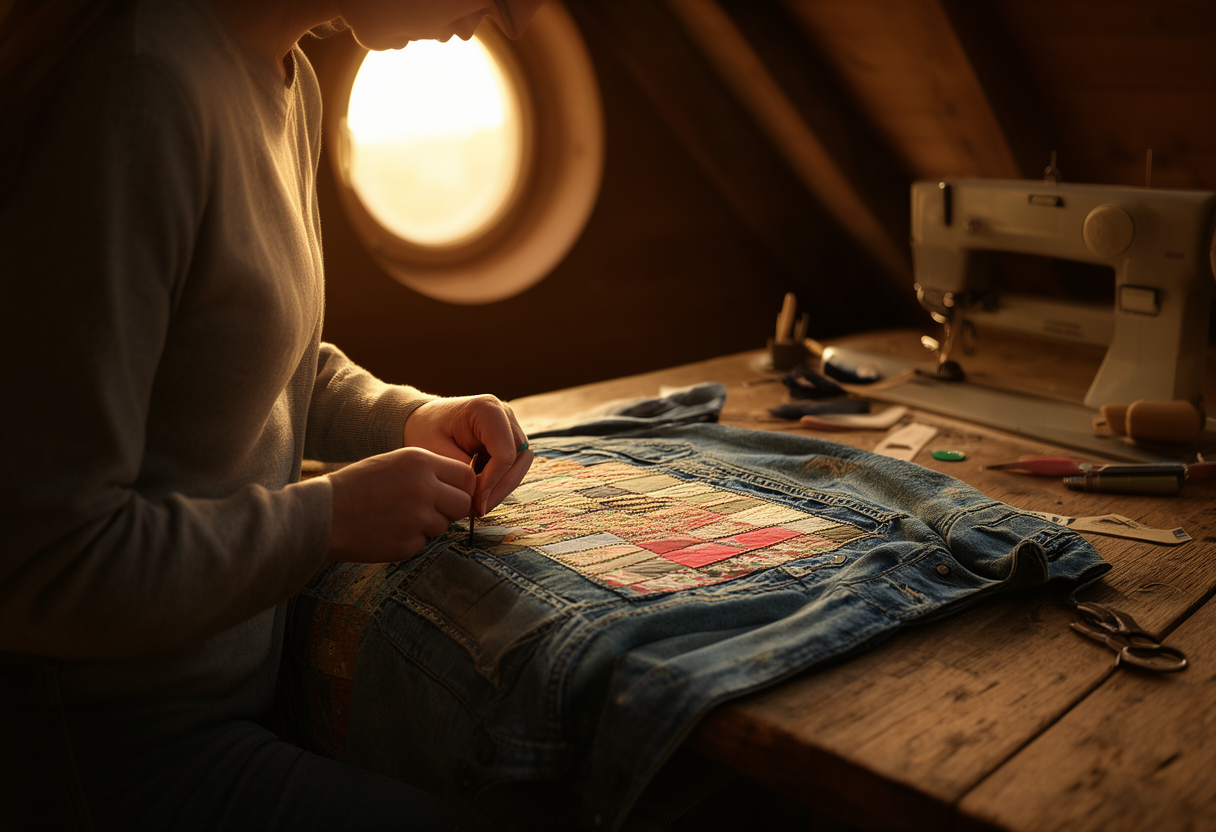
If you’re new to upcycling, start with simple projects that require basic tools and minimal sewing skills. One of the easiest projects is turning an old t-shirt into a tote bag. This involves cutting off the sleeves and neckline, then sewing the bottom hem to create a sturdy handle. Another beginner-friendly project is transforming jeans into shorts or a skirt. This can be done with a pair of scissors and no sewing at all, or you can use a sewing machine for a more polished finish. Other simple projects include turning a dress into a top by cutting off the skirt portion, or creating a patchwork quilt from old fabric scraps.
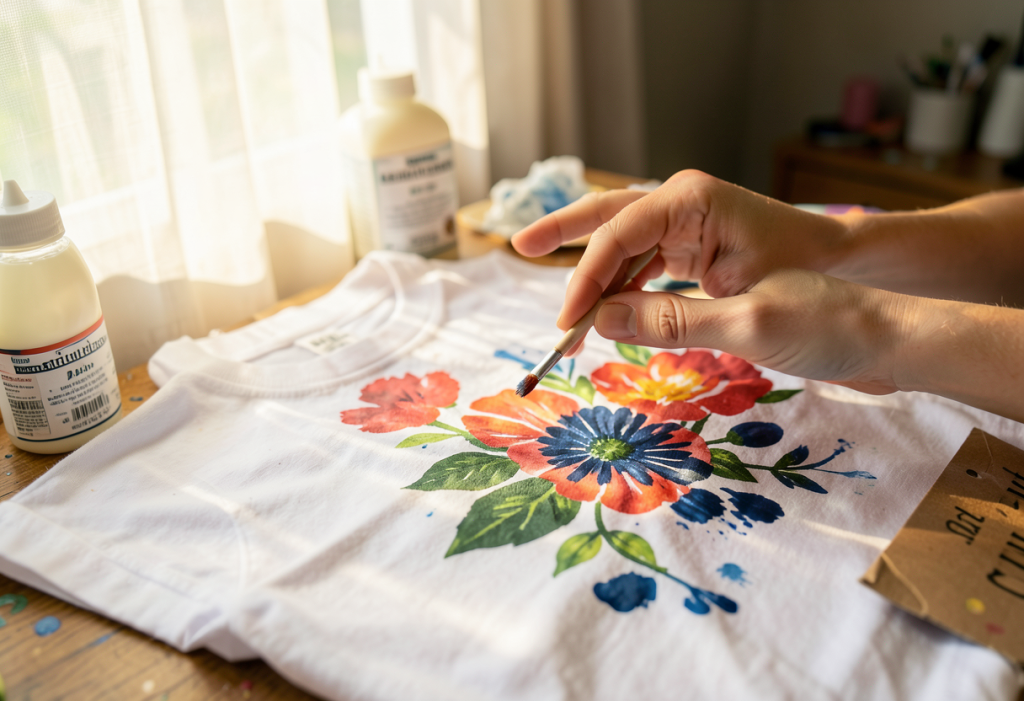
For those who want to add some flair to their upcycled creations, painting and dyeing are great options. Fabric paint can be used to add designs or patterns to old clothing, while dye can completely change the color of a garment. These techniques require little to no sewing and can be done with basic craft supplies. With a little creativity and some basic tools, anyone can start upcycling their old clothes and reducing textile waste.
In plain terms: Upcycling is like giving your old clothes a new identity. Think of it as a makeover for your wardrobe, where you transform something old and unwanted into something new and stylish. Just like a caterpillar turns into a butterfly, your old clothes can turn into something beautiful and useful with a little creativity and effort.
How can I upcycle clothes without sewing?
No-sew upcycling projects are perfect for those who lack sewing skills or simply want a quick and easy way to transform their old clothes. One popular no-sew project is creating a fringe skirt or top. This involves cutting the hem of a skirt or top into strips and then tying them into knots to create a fringe effect. Another no-sew project is turning a t-shirt into a tank top by cutting off the sleeves and neckline. You can also use fabric glue or iron-on hem tape to secure edges and create a polished look.
For those who want to add some personalization to their upcycled creations, no-sew embellishments are a great option. Fabric markers, iron-on patches, and decorative trims can be used to add color and texture to old clothing. You can also use a hot glue gun to attach buttons, beads, or other decorative elements. With a little creativity and some basic craft supplies, anyone can upcycle their old clothes without ever picking up a needle and thread.
What tools and materials do I need to start upcycling clothes?
To start upcycling clothes, you’ll need some basic tools and materials. The essential tools include a pair of sharp scissors, a sewing machine or needle and thread, fabric glue or iron-on hem tape, and fabric markers or paint. You may also want to invest in a fabric cutting mat, rotary cutter, and ruler for precise cutting. As for materials, you’ll need old clothes or fabric scraps to work with. You can also use decorative trims, buttons, beads, and other embellishments to add some flair to your creations.
When choosing tools and materials, it’s important to consider the type of upcycling project you want to tackle. For example, if you plan on doing a lot of sewing, a good quality sewing machine will save you time and effort. If you prefer no-sew projects, fabric glue or iron-on hem tape will be your best friend. And if you want to add some personalization to your creations, fabric markers or paint will allow you to unleash your creativity.
How can I upcycle clothes sustainably?
Upcycling clothes is already a sustainable practice, but there are ways to make it even more eco-friendly. One way is to use natural fabrics and materials. Synthetic fabrics like polyester and nylon are made from petroleum and can release microplastics into the environment. Natural fabrics like cotton, linen, and silk are biodegradable and more sustainable. When upcycling, try to use natural fabrics and avoid synthetic materials whenever possible.
Another way to upcycle clothes sustainably is to use non-toxic dyes and paints. Many commercial dyes and paints contain harmful chemicals that can pollute the environment and harm your health. Look for natural, non-toxic dyes and paints made from plant-based materials. You can also make your own dyes using ingredients like turmeric, beetroot, or spinach. By using natural, non-toxic dyes and paints, you can reduce your environmental impact and create beautiful, sustainable upcycled creations.
How can I make money from upcycling clothes?
If you’re looking to turn your upcycling hobby into a profitable side hustle, there are several ways to do so. One option is to sell your upcycled creations online. Websites like Etsy, eBay, and Poshmark are great platforms for selling handmade and upcycled clothing. You can also create your own website or blog to showcase your creations and sell them directly to customers.
Another way to make money from upcycling clothes is to offer upcycling workshops or classes. If you have a knack for teaching others, you can share your knowledge and skills with others while earning some extra income. You can offer workshops in person or online, and charge a fee for your time and expertise. You can also create and sell upcycling patterns or tutorials online, allowing others to learn from your experience and creativity.
When selling upcycled clothing, it’s important to price your items fairly and competitively. Research what similar items are selling for on other platforms, and price your items accordingly. You should also consider the cost of materials, your time and effort, and any fees associated with selling on a particular platform. By pricing your items fairly and competitively, you can attract more customers and make a profit from your upcycling hobby.
What are some creative upcycling ideas for kids’ clothes?
Upcycling kids’ clothes is a great way to save money and reduce textile waste. One creative idea is to turn old t-shirts into a t-shirt quilt. This involves cutting out the front of several t-shirts and sewing them together to create a patchwork quilt. Another idea is to turn old jeans into a denim tote bag. This involves cutting off the legs and sewing the bottom hem to create a sturdy handle. You can also add some fun embellishments like patches or paint to make the bag even more unique.
For those with sewing skills, upcycling kids’ clothes can be a fun and creative way to make one-of-a-kind pieces. One idea is to turn an old dress into a skirt by cutting off the top portion and adding an elastic waistband. You can also turn old sweaters into mittens or scarves by cutting out the appropriate shapes and sewing them together. With a little creativity and some basic sewing skills, the possibilities for upcycling kids’ clothes are endless.
How can I make upcycling a habit?
Making upcycling a habit requires a combination of motivation, planning, and consistency. Start by setting specific goals for yourself, such as upcycling one item of clothing per week or month. Having clear goals will give you a sense of purpose and direction, making it easier to stay motivated. You can also create a dedicated space for upcycling in your home, such as a craft room or corner, where you can store your tools and materials and work on your projects. Having a designated space for upcycling can make it feel more like a regular part of your routine.
Another way to make upcycling a habit is to connect with like-minded individuals. Joining upcycling groups on social media or attending local upcycling workshops can provide you with a sense of community and support. You can also share your upcycling projects on social media or a blog to inspire others and hold yourself accountable. By connecting with others who share your passion for upcycling, you can stay motivated and inspired to keep creating.
Finally, be patient with yourself and don’t be afraid to experiment. Upcycling is a creative process, and it may take time to find your rhythm and style. Don’t be discouraged if your first few projects don’t turn out as expected. Keep practicing and refining your skills, and remember that every upcycled creation is a step towards a more sustainable future.
- Set specific goals for yourself, such as upcycling one item of clothing per week or month.
- Create a dedicated space for upcycling in your home, where you can store your tools and materials and work on your projects.
- Connect with like-minded individuals by joining upcycling groups on social media or attending local upcycling workshops.
- Share your upcycling projects on social media or a blog to inspire others and hold yourself accountable.
- Be patient with yourself and don’t be afraid to experiment. Upcycling is a creative process, and it may take time to find your rhythm and style.
Ready to start your upcycling journey? Grab an old piece of clothing and a pair of scissors, and let your creativity flow. With a little practice and some basic tools, you can transform your old clothes into beautiful, sustainable creations that you’ll love to wear. Don’t forget to check out our The Complete Guide to Upcycling Clothes for Beginners for more tips and inspiration. Happy upcycling!
Frequently asked questions
What basic tools do I need for upcycling clothes?
You’ll need simple tools like scissors, a sewing machine or needle and thread, fabric glue, and pins. Optional items include fabric markers, patches, and old buttons. These basics cover most projects, from hemming to adding decorative elements. Invest in quality scissors for clean cuts and a good thread that matches your fabric colors.
How can I upcycle an old t-shirt?
Turn an old t-shirt into a tote bag by cutting off the sleeves and neckline, then sewing or gluing the bottom hem. For a crop top, cut the bottom and hem the new edge. Add patches or paint designs for a personalized touch. T-shirts are versatile for no-sew projects too, like turning them into headbands or rag rugs.
What fabrics are easiest to work with for beginners?
Cotton and denim are beginner-friendly due to their stability and ease of sewing. Cotton t-shirts and denim jeans are common starting points. Avoid slippery fabrics like silk or stretchy materials like spandex until you gain experience. Linen is another good option but may fray more. Always pre-wash fabrics to prevent shrinkage after your project is complete.
How can I upcycle jeans that no longer fit?
Transform ill-fitting jeans into shorts by cutting and hemming the legs. Create a denim skirt by cutting along the inner leg seams and hemming the new edges. Distress jeans by sanding or cutting for a trendy look. Use the fabric to make patches or appliqués for other clothing items. Denim is durable and holds up well to creative alterations.