
Editorial Team · on 14 June 2026 · 10 min read · Last reviewed 14 June 2026
Upcycling is the creative process of transforming discarded or unwanted furniture into new, higher-quality items, reducing waste and promoting sustainability.
Key facts
- Upcycling furniture can save you up to 80% compared to buying new pieces.
- The global upcycling market is projected to reach $63.9 billion by 2024.
- Upcycling one ton of furniture saves around 1.5 tons of carbon dioxide emissions.
- Popular upcycling techniques include painting, distressing, and adding new hardware.
What is the difference between upcycling and recycling furniture?
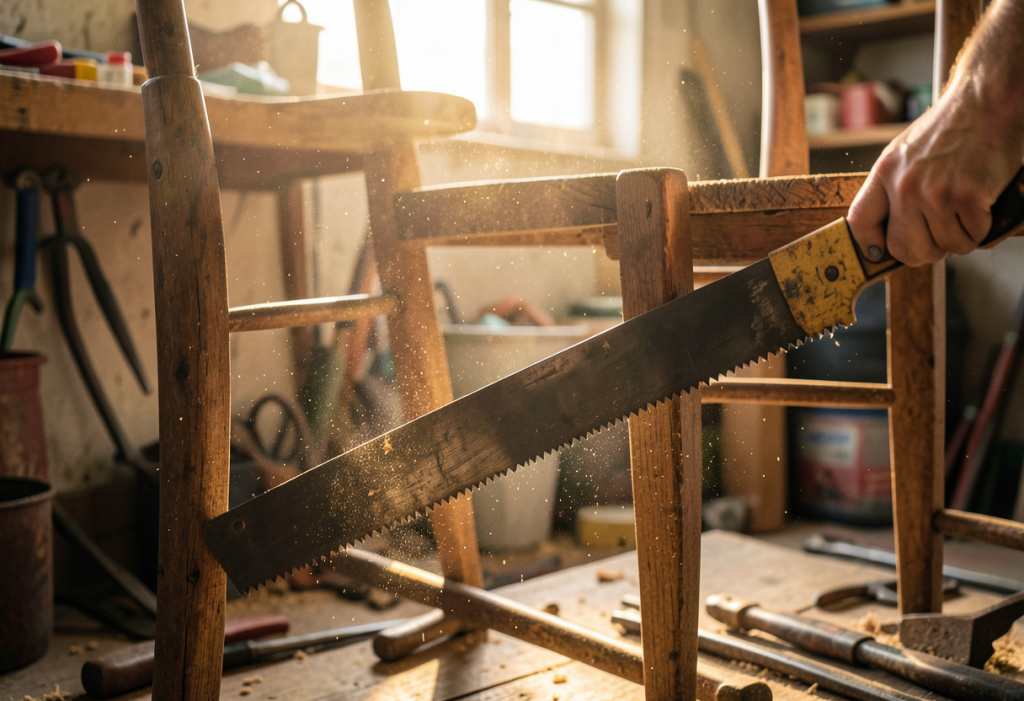
Upcycling and recycling both aim to reduce waste, but they differ in their approaches. Recycling breaks down old furniture into raw materials to create new products, often resulting in lower-quality items. In contrast, upcycling transforms old furniture into new, functional pieces with improved quality or aesthetic value. For example, an old wooden chair can be upcycled into a stylish statement piece by sanding, painting, and adding new upholstery, while recycling would involve breaking it down into wood chips or pulp.
Upcycling requires more creativity and skill than recycling, as it involves envisioning and executing a design transformation. It also has a lower environmental impact, as it skips the energy-intensive recycling process. However, not all furniture can be upcycled, as some pieces may be too damaged or made from non-durable materials. In these cases, recycling may be a more viable option. For more ideas on transforming old pieces, check out our Furniture Upcycling: Transform Old Pieces into Statement Decor.
What are the benefits of upcycling furniture?
Upcycling furniture offers numerous benefits, both environmental and personal. From an environmental standpoint, upcycling reduces waste sent to landfills, conserves resources, and decreases carbon emissions associated with manufacturing new furniture. According to the Environmental Protection Agency, furniture makes up a significant portion of municipal solid waste, with around 12 million tons generated annually in the United States alone. By upcycling, you can help divert this waste from landfills and contribute to a more sustainable future.
On a personal level, upcycling allows you to express your creativity, save money, and create unique, one-of-a-kind pieces for your home. Upcycling can also be a rewarding hobby or even a profitable business venture. Additionally, upcycled furniture often carries a story or history, adding sentimental value to your space. To find the best sources for upcycling furniture, see our Furniture for Upcycling: Best Sources & Selection Tips guide.
What tools and materials do you need to start upcycling furniture?
To begin upcycling furniture, you’ll need a set of basic tools and materials. The essential tools include a screwdriver, hammer, sandpaper, paintbrushes, and safety gear such as gloves and goggles. Depending on the project, you may also need a drill, saw, or power sander. As for materials, you’ll need paint, primer, and a clear topcoat to protect your finished piece. The type of paint you choose will depend on the project and your desired finish. For more information on choosing the right paint, see our Paint for Upcycling: Choosing the Right Finish for Furniture guide.
Other materials you may need include new hardware, such as knobs, pulls, or hinges, as well as upholstery fabric, foam, and staples for reupholstering. You can find these materials at local hardware stores, craft stores, or online retailers. Don’t forget to gather old newspapers or drop cloths to protect your workspace and any rags or sponges for cleaning up spills. With these tools and materials on hand, you’ll be well-equipped to tackle a variety of upcycling projects.
What are some beginner-friendly upcycling projects?
If you’re new to upcycling, it’s best to start with simple projects that allow you to practice your skills and gain confidence. One beginner-friendly project is upcycling a wooden bed frame. With basic tools and materials, you can transform an old bed frame into a stylish and functional piece. Our Upcycling Wooden Bed Frame: Creative DIY Restyling Ideas guide provides creative DIY restyling ideas to inspire your project.
Another easy project is upcycling planters. Old containers, such as wooden crates, metal buckets, or even shoes, can be transformed into unique planters for your garden or indoor plants. For more ideas and techniques, check out our Upcycling Planters: Turn Trash into Garden Treasures guide. Additionally, upcycling glass items, such as jars or bottles, can be a fun and creative way to reduce waste and add a personal touch to your home decor. Our Upcycling Glass: Safe Techniques for DIY Home Projects guide provides safe techniques for DIY home projects involving glass.
How do you prepare furniture for upcycling?
Before you can begin transforming an old piece of furniture, it’s essential to prepare it properly. The first step is to clean the piece thoroughly, removing any dirt, dust, or grease. You can use a mild soap and water solution or a specialized cleaner designed for furniture. Allow the piece to dry completely before moving on to the next step.
Next, inspect the furniture for any damage, such as loose joints, broken parts, or structural issues. Make any necessary repairs using wood glue, clamps, or replacement parts. Once the piece is stable and secure, you can begin stripping it down to its bare surface. This may involve removing old paint, varnish, or upholstery. Sandpaper, paint strippers, or upholstery removal tools can be used to accomplish this task. Be sure to wear appropriate safety gear, such as gloves and goggles, when working with chemicals or sharp tools.
After stripping the piece, sand the surface thoroughly to create a smooth, even finish. This will help the new paint or finish adhere better and ensure a professional-looking result. Wipe away any dust or debris with a damp cloth, and allow the piece to dry completely before applying any new materials. By following these steps, you’ll create a solid foundation for your upcycling project and ensure a successful transformation.
How do you choose the right paint for upcycling furniture?
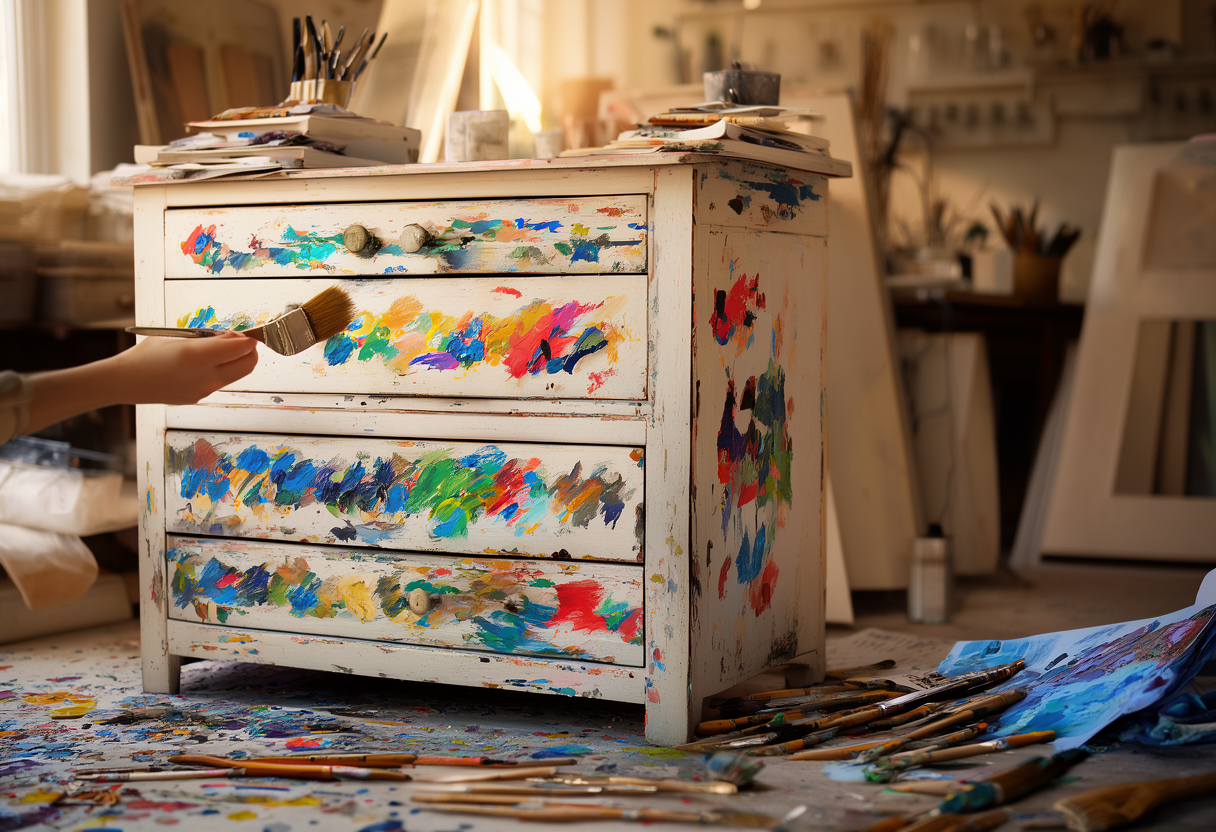
Choosing the right paint is crucial for achieving a beautiful and durable finish on your upcycled furniture. There are several types of paint to consider, each with its own advantages and suitable applications. Latex paint is a popular choice due to its ease of use, quick drying time, and low odor. It’s available in both water-based and oil-based formulas and can be used on a variety of surfaces. Chalk paint is another option that has gained popularity in recent years. It provides a matte, vintage-inspired finish and adheres well to most surfaces without requiring extensive sanding. For more information on choosing the right paint, see our Paint for Upcycling: Choosing the Right Finish for Furniture guide.
When selecting a paint color, consider the desired aesthetic and the existing decor in your home. Neutral colors, such as white, gray, or beige, can create a timeless and versatile look, while bold colors can add a pop of personality and visual interest. Additionally, consider the finish of the paint, as this can impact the overall appearance and durability of your upcycled piece. Flat, matte, eggshell, satin, and gloss finishes are all options to consider, depending on your preferences and the specific project.
Think of upcycling furniture like giving old clothes a stylish makeover. Just as you can turn an outdated dress into a trendy top with some creativity and effort, you can transform an old piece of furniture into a stunning statement piece with the right tools, materials, and techniques. By repurposing and refinishing, you breathe new life into forgotten items, creating unique and functional pieces for your home.
Steps to upcycle furniture:
- Find a piece of furniture that is in good condition but needs a makeover.
- Clean the piece thoroughly to remove any dirt, dust, or grease.
- Inspect the furniture for any damage and make necessary repairs.
- Strip the piece down to its bare surface by removing old paint, varnish, or upholstery.
- Sand the surface thoroughly to create a smooth, even finish.
- Choose the right paint and color for your project, considering the desired aesthetic and existing decor.
- Apply a primer to help the new paint adhere better and ensure a professional-looking result.
- Paint the piece using even, smooth strokes, and allow it to dry completely.
- Apply a clear topcoat to protect the finished piece from wear and tear.
- Add any final touches, such as new hardware or upholstery, to complete the transformation.
What are some common mistakes to avoid when upcycling furniture?
As with any DIY project, there are common pitfalls to avoid when upcycling furniture. One mistake to steer clear of is skipping the prep work. Properly cleaning, repairing, and sanding the piece before painting is crucial for achieving a professional-looking finish. Skipping these steps can result in a less durable and less attractive end product. Additionally, be sure to choose the right paint and tools for the job. Using low-quality materials or the wrong type of paint can lead to poor adhesion, peeling, or other issues down the line.
Another common mistake is rushing the process. Allowing adequate drying time between coats of paint and applying a clear topcoat can help protect your finished piece and ensure its longevity. It’s also important to be patient when shopping for the perfect piece to upcycle. Not every old furniture item is worth the time and effort required to transform it. Look for pieces that are in good structural condition and have potential for a stunning makeover. Finally, don’t be afraid to get creative and have fun with your upcycling projects. Experimenting with different techniques, colors, and styles can lead to unique and beautiful results.
How do you care for upcycled furniture?
To ensure the longevity of your upcycled furniture, it’s essential to care for it properly. Regular cleaning and maintenance can help preserve the finish and prevent damage. Dust your upcycled pieces regularly with a soft, dry cloth to remove any dirt or debris. For more thorough cleaning, use a mild soap and water solution, being careful not to oversaturate the surface. Avoid using harsh chemicals or abrasive cleaners, as these can damage the finish and cause discoloration.
Additionally, be mindful of placing upcycled furniture in areas with direct sunlight or extreme temperatures, as these can cause fading, warping, or other damage over time. Using coasters, placemats, or trivets can help protect surfaces from heat, moisture, and scratches. If your upcycled piece has a clear topcoat, you may need to reapply it periodically to maintain its protective properties. By following these care tips, you can enjoy your upcycled furniture for years to come.
Start with simple projects and gradually take on more complex challenges as your skills and confidence grow. With patience, creativity, and the right tools, you can transform old furniture into stunning, sustainable pieces that add character and charm to your home.
Frequently asked questions
What is upcycling furniture?
Upcycling furniture means transforming old or unwanted pieces into something functional and aesthetically pleasing. Unlike recycling, which breaks down materials, upcycling repurposes items with minimal processing. For example, you can turn an old wooden crate into a stylish shelf or a vintage door into a unique table.
What tools do I need to start upcycling furniture?
Basic tools include sandpaper, a paintbrush, and a screwdriver. For more complex projects, you might need a drill, saw, or wood glue. Safety gear like gloves and goggles is essential. Start with simple projects to get comfortable before investing in more specialized tools.
How can I choose the right paint for upcycling furniture?
Choose paint based on the furniture's use and condition. Chalk paint is great for a matte finish and adheres well to most surfaces without priming. For durability, use acrylic paint or a sealant. If the piece will be used outdoors, opt for exterior-grade paint to withstand weather elements.
What are some beginner-friendly upcycling projects?
Start with small, manageable projects like painting a wooden chair or decorating a side table. Repurposing old ladders into shelves or transforming a dresser into a TV stand are also good options. These projects require minimal tools and materials, making them ideal for beginners.